12/12/2019
70 agreements signed with local self-governments
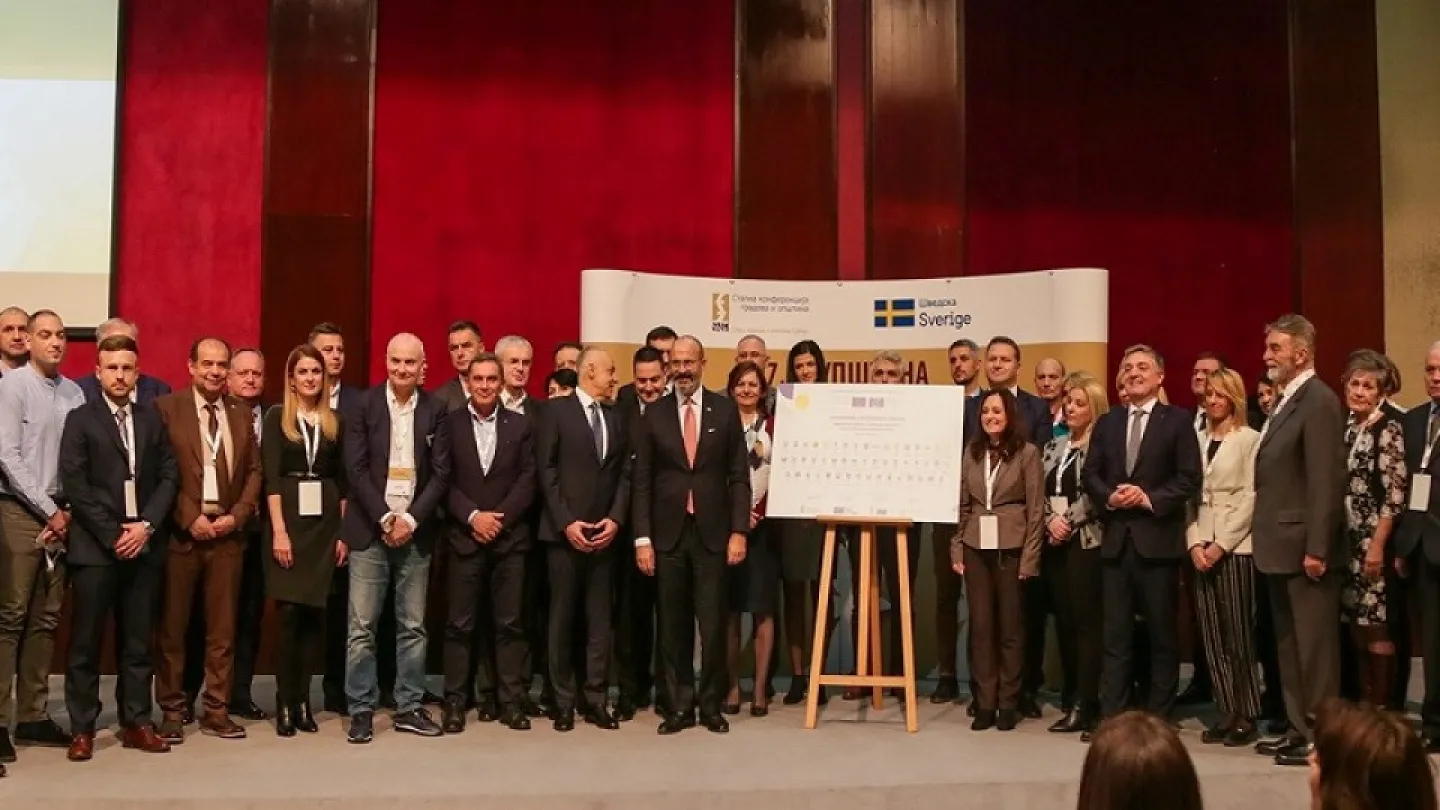
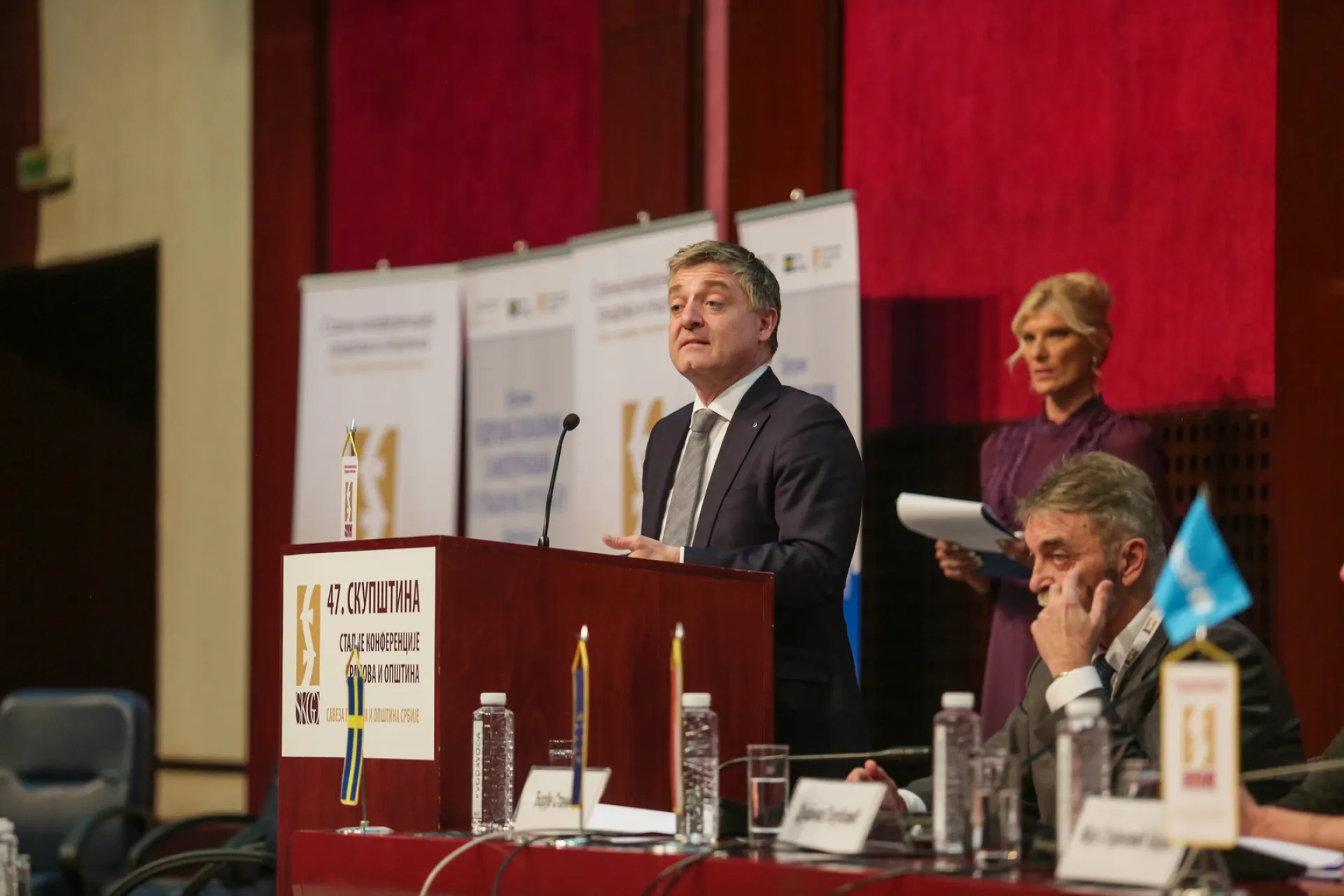
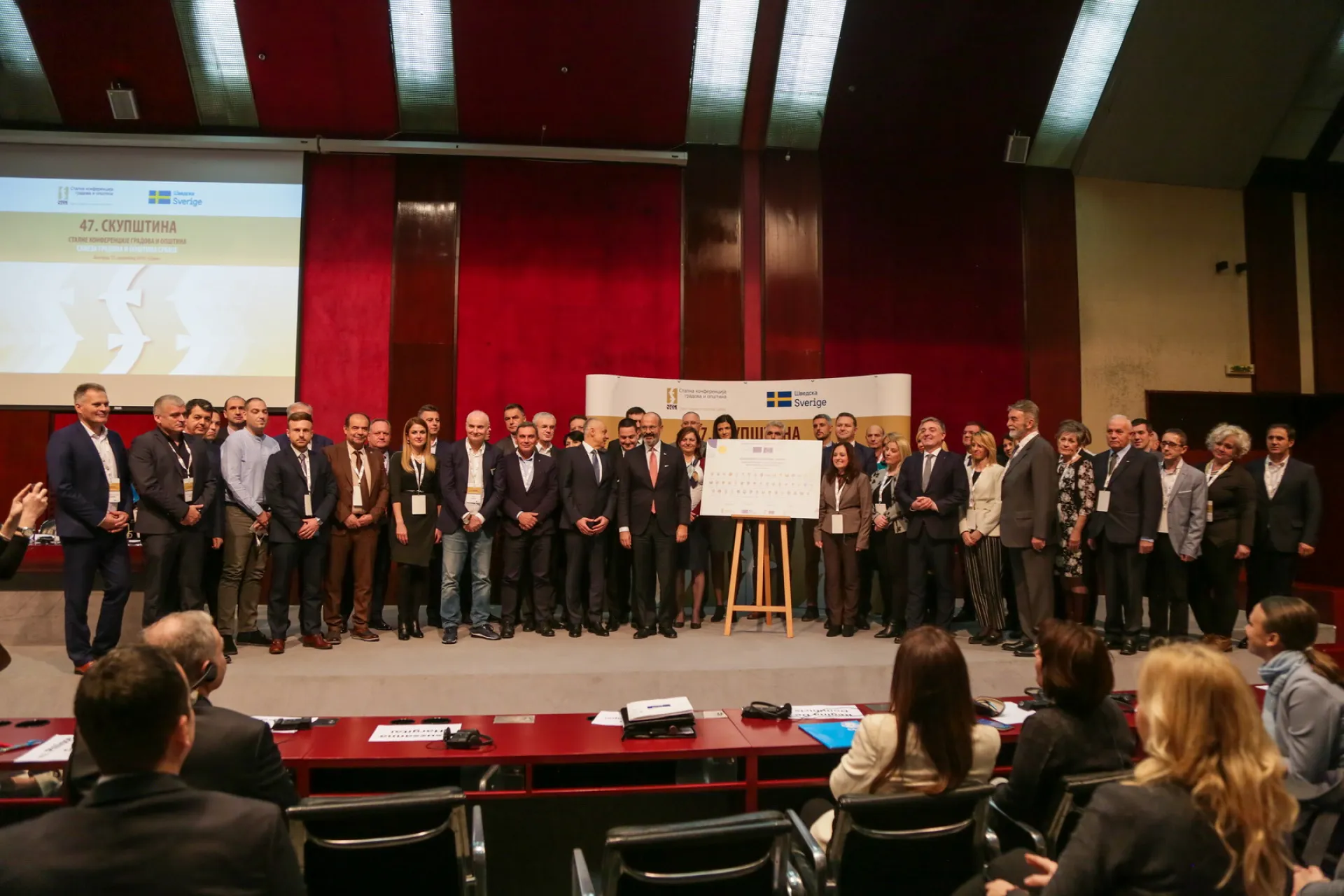
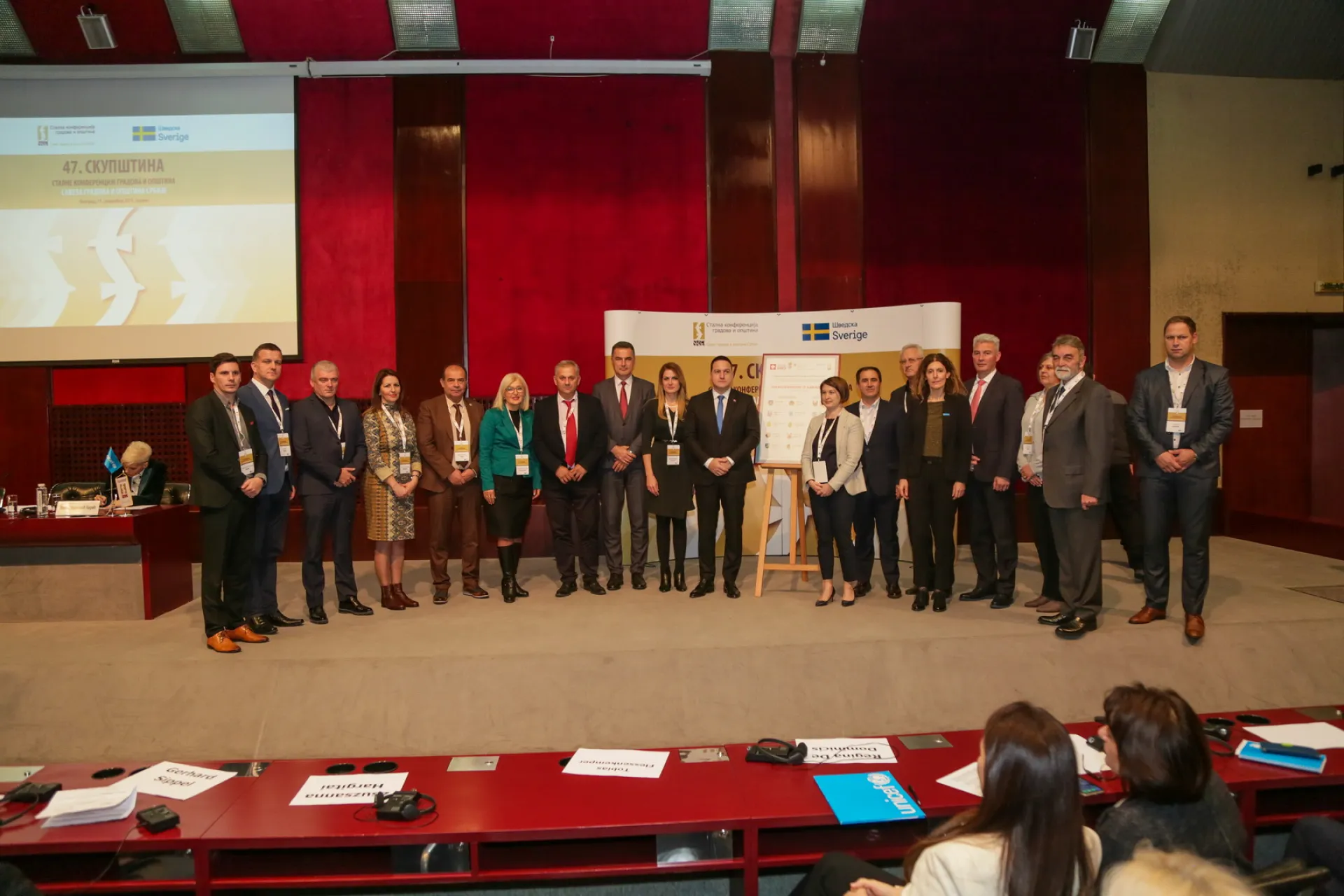
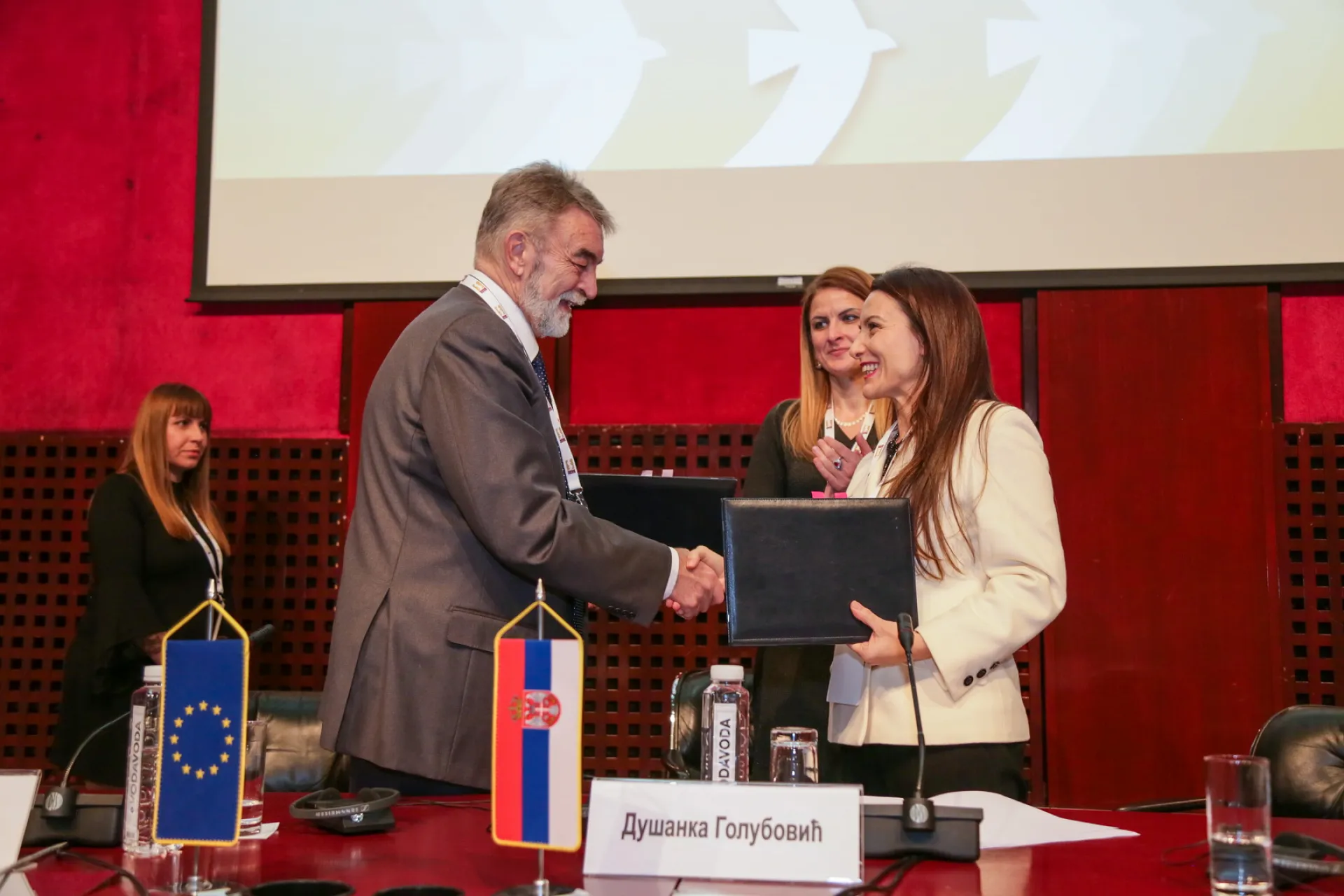
Human resources management in towns and municipalities, improving citizen participation and transparency, as well as improving anti-corruption policies at the local level, projects for employment of Roma and other marginalized groups, as well as support for children and young people in early development, are the focus of three memorandums and one agreement signed with local self-government representatives in Serbia at the 47th General Assembly of the Standing Conference of Towns and Municipalities (SCTM).
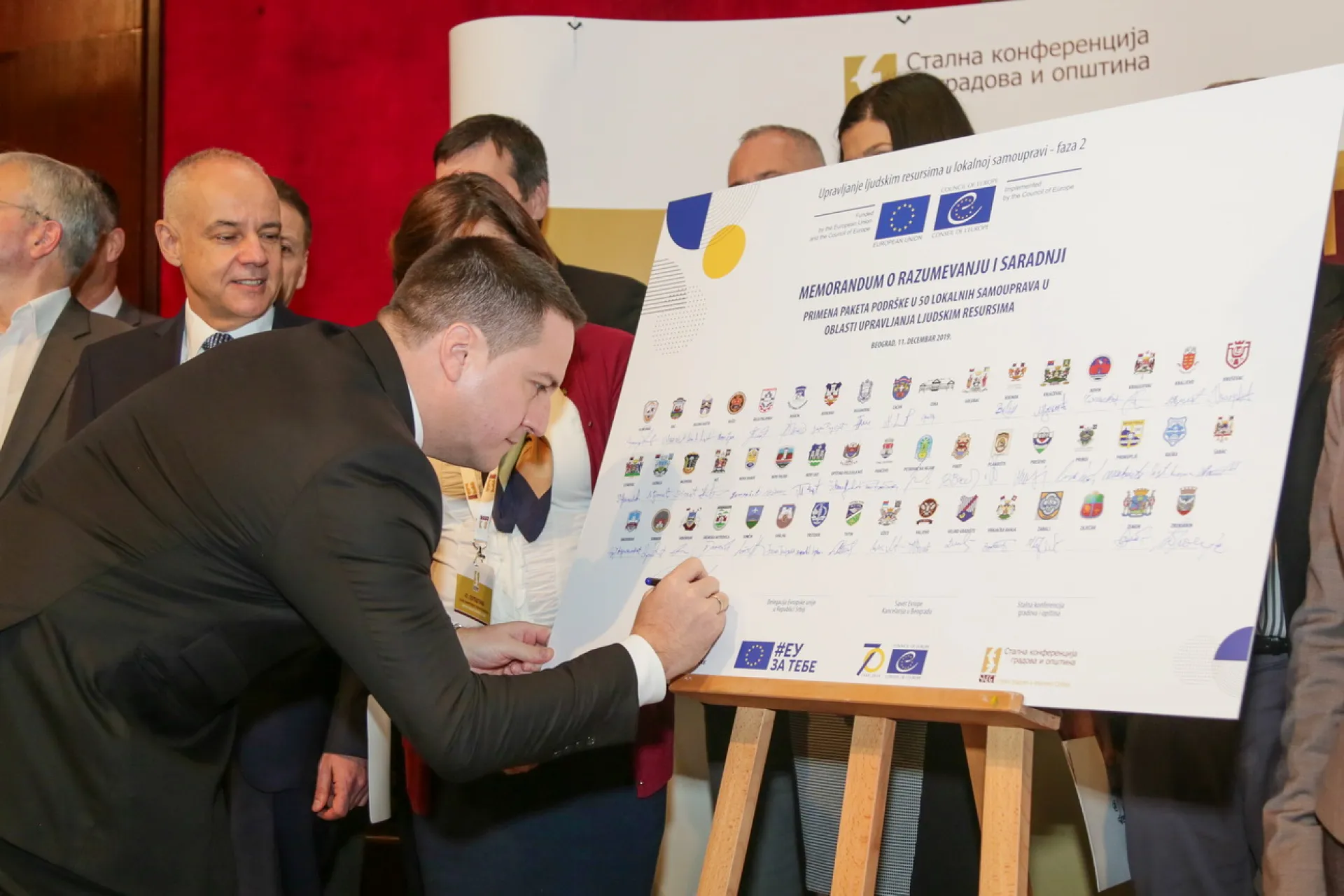
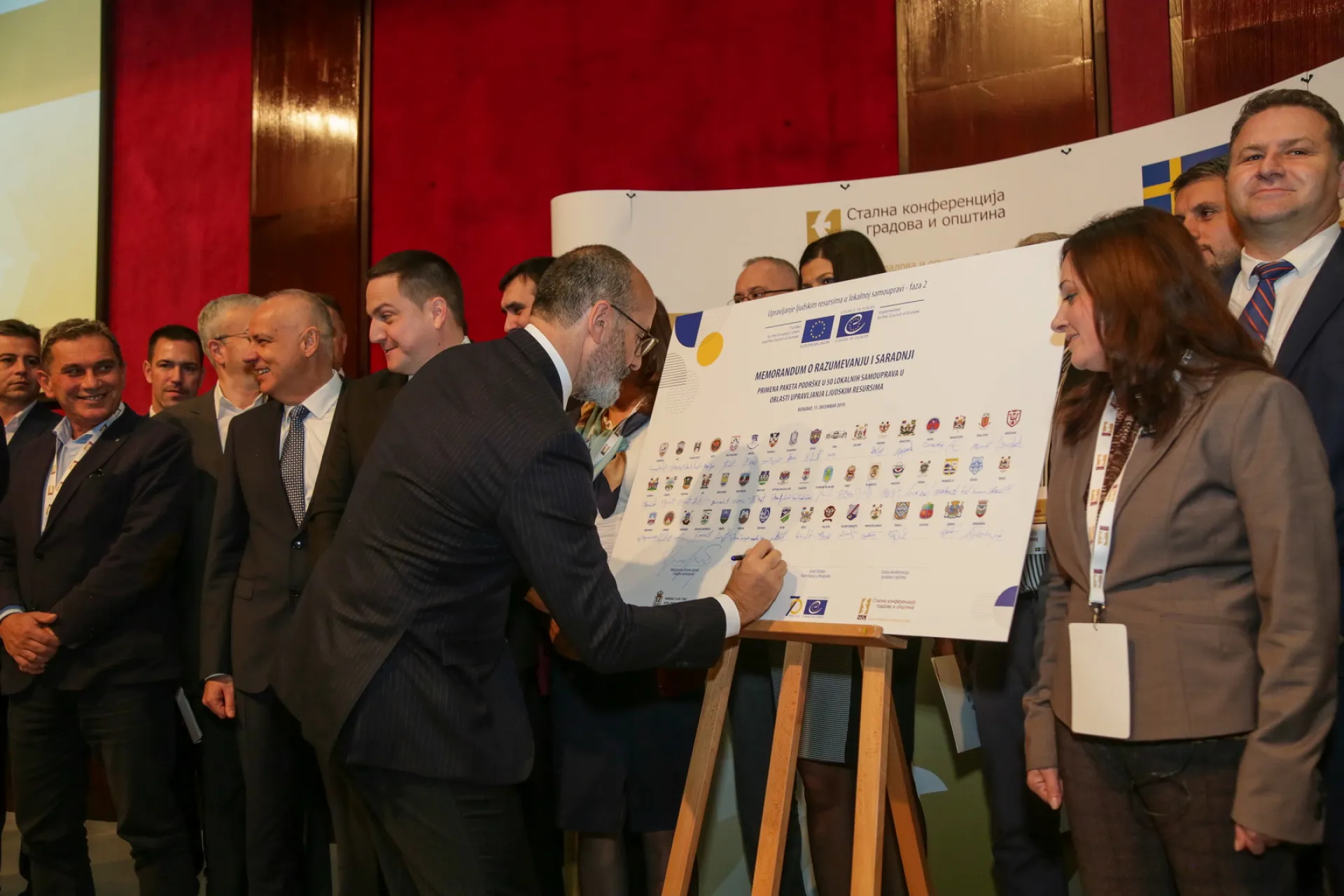
The largest coverage of towns and municipalities has the Memorandum on Cooperation and Implementation of the Human Resources Management Support Packages, which covers 50 local self-governments. This support is implemented within the project "Human Resources Management in Local Self-Government - Second Phase", implemented by the Council of Europe, with the support of the Ministry of Public Administration and Local Self-Government and the SCTM, funded by the European Union and the Council of Europe.
One of the signatories to this document was Minister for Public Administration and Local Self-Government Branko Ruzic, who said that human resources management was one of the key activities carried out locally.
"A total of 50 towns and municipalities will receive continuing expert support to improve their work, both in accordance with the law and in line with modern European administrations", he said.
He said that human resources management is a very important part when it comes to the plans of the Serbian Government and is closely linked to Serbia's European path.
"If we want citizens to be satisfied with the service, we must take care of those who provide the service. Their qualifications and skills are also important, on which their performance depends, all of which together affect the quality of life of citizens", said Ruzic.
He also said that the Law on the National Academy of Public Administration was adopted, and that the idea of the Government was to enable the trainings to acquire new knowledge and tools when it comes to local employees, but also to harmonize regulations, i.e. to apply the same regulation in every municipality or town in Serbia in the same way.
"The implementation of the package will improve the quality of work of local self-governments, which will be the basis for the reorganization and optimization of their work, and the basis for service-oriented administration", said Ruzic.
Minister Ruzic also announced the possibility of new programs up to 30,000 euros intended for 15 towns and municipalities, for which all of them will be able to apply.
"I am sure that all this will produce good results", Ruzic concluded, thanking the Council of Europe and the Delegation of the European Union for their support.
The Head of the EU Delegation to Serbia, Sem Fabrizi, said on this occasion that the EU is interested in helping in this business because, as he stated, as much as 75 percent of European legislation involves local reforms.
"People need to have the correct job descriptions, the ability to better plan, coordinate ... There are 30,000 employees in the EU administration, but these are highly skilled people, who are each in the right place", Fabrizi said. He added that the first tranche under this project was two, while the second would be four million euros. "Those who provide direct assistance and work with people need to improve and move forward," Fabrizi concluded.
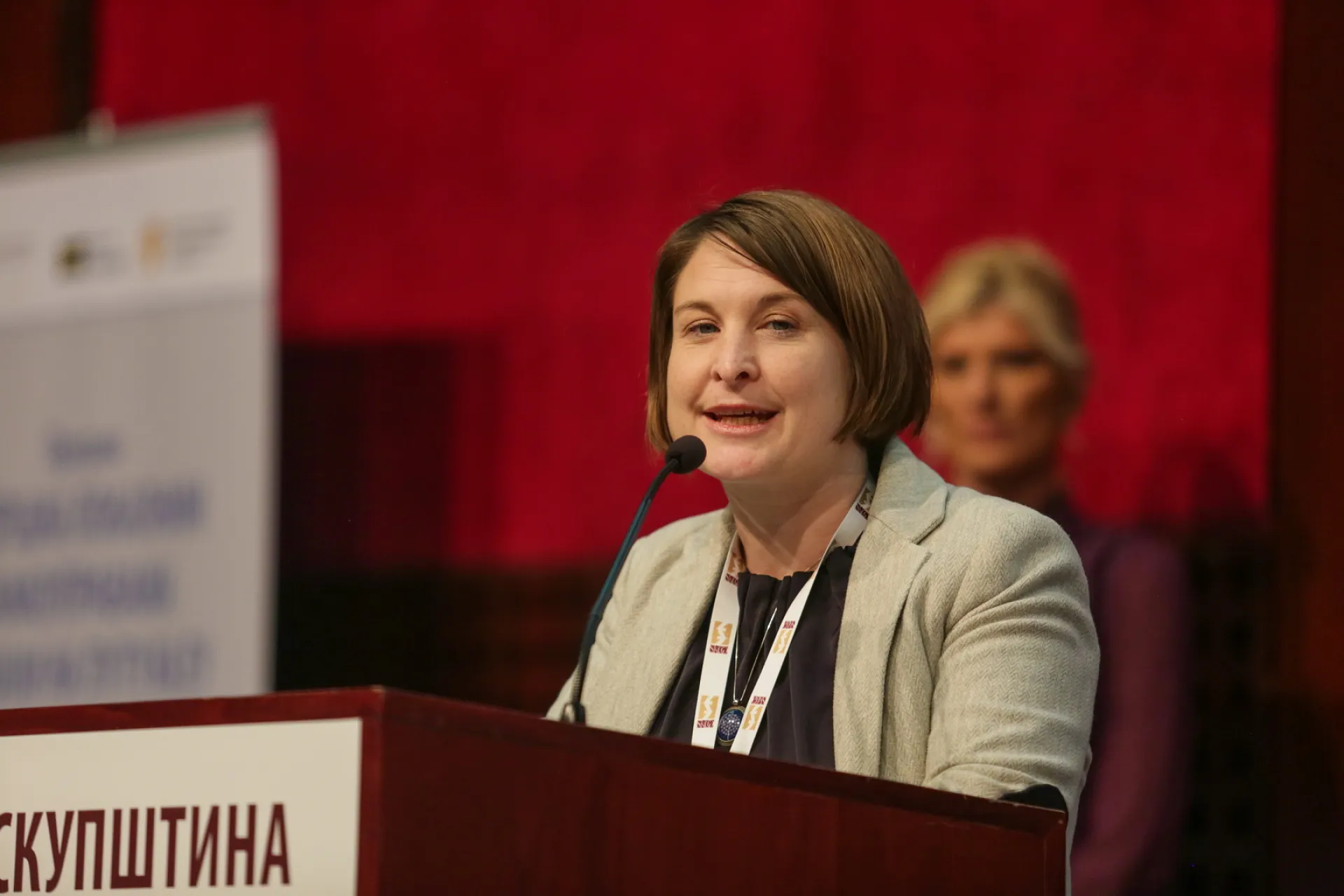
Tobias Flesenkemper, Head of the Council of Europe Office in Belgrade, thanked everyone involved in the HRM project. He explained that the second phase of the HRM program is support packages for 50 municipalities and towns from Serbia that have applied for and are self-motivated.
"We are aware that local self-governments are under pressure to meet EU obligations and standards, but without local self-government, there is no democracy", he said, noting that through the daily work of towns and municipalities we know what it means to be a citizen and to belong. He said that locally people are addressing problems and desires, but he said that working in the administration can also be creative. "All this is the path to democratic citizenship and decision-making", he said.
He also stated that Council of Europe experts have drawn up a number of recommendations and principles of good governance, with the emphasis being placed on ethical conduct and responsibility.
“Human resources capacities are what we focus on. They establish a relationship with the state authorities, and on the other hand, citizens need to know that those who work in local self-governments are trained to carry out their daily work", said the Head of the Council of Europe Office in Serbia.
He also explained that reforms include both decentralization and devolution, and that they cannot happen unless adequate capacity is available.
"That is why support packages will seek to help improve capacity, all for the benefit of citizens' lives", he concluded, noting that Serbia has been a member of the Council of Europe since 2003.
Support was provided to: Smederevo, Uzice, Becej, Bac, Leskovac, Novi Pazar, Zrenjanin, Krusevac, Sombor, Belgrade, Sabac, Plandiste, Pancevo, Bela Palanka, Beocin, Raska, Petrovac na Mlavi, Srbobran, Kraljevo, Kovin, Zajecar, Medvedja, Zemun, Tutin, Valjevo, Zabalj, Aleksinac, Bujanovac, Veliko Gradiste, Coka, Kragujevac, Knjazevac, Priboj, Cacak, Prokuplje, Palilula (Nis), Novi Sad, Vrnjacka Banja, Bajina Basta, Nis, Golubac, Nova Varos, Pirot, Presevo, Trstenik, Surcin, Svrljig, Sremska Mitrovica, Loznica, and Kikinda.
Following the document dealing with human resources management, a Memorandum of Cooperation was signed on the implementation of the support packages in 15 towns and municipalities within the project “Improving good governance at the local level.
The project is implemented by the SCTM as part of the program “Support of the Swiss Government to the Development of Municipalities through the Promotion of Good Governance and Social Inclusion - SwissPro”, implemented by UNOPS.
Acting Director of the Swiss Cooperation Office in Belgrade Priska Depnering said, the essence of the project is citizen participation at the local level, transparency in work, and anti-corruption support to local self-governments.
“We are talking about a methodology related to transparency in work, the fight against corruption and citizen participation in all this. There are different types of assistance, from technical, through advisory, to skills development and social inclusion”, she said.
Depnering emphasized that local self-governments will, among other things, be able to improve transparency in their work through citizen participation in local self-government budgeting also thorugh gender budgeting.
"I wish to thank all local self-governments involved in this and for being interested in addressing these important reforms", she concluded.
The following local self-governments have received support: Novi Pazar, Vrnjacka Banja, Priboj, Sombor, Knjazevac, Kosjeric, Uzice, Kovin, Lapovo, Arilje, Topola, Merosina, Vlasotince, Tutin, and Pozega.
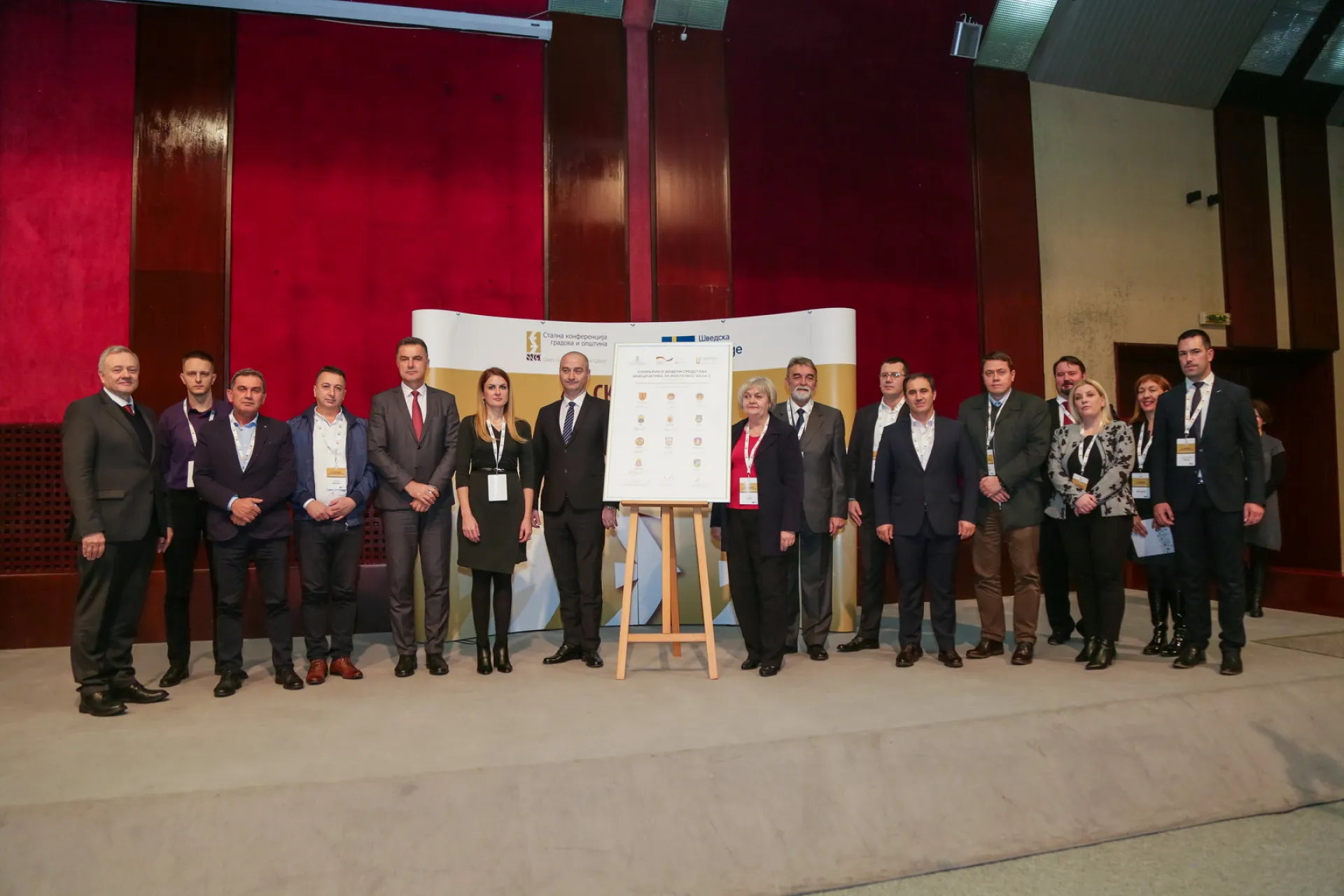
During the 47th SCTM General Assembly, the Agreement on Cooperation which marks the beginning of the implementation of local projects within the project “Inclusion of Roma and other marginalized groups in Serbia - Initiatives for Inclusion Phase 2” was officially signed.
According to Vesna Vidojevic, who is involved in the project, its goal is to support the Government of Serbia in the implementation of the 2025 Strategy at national and local level, which is relevant to this area.
“That is why we, together with our partners, launched a competition for local self-governments with the best ideas to support the employment of Roma, but also other marginalized groups. As many as 50 municipalities have applied with great ideas and suggestions”, said Vidojevic.
She stated that in partnership with the SCTM nine local self-governments were selected to participate in the project. She also noted that this as an example of good practice on how joint cooperation can look like.
Vidojevic explained that the total fund for these projects is 1.2 million euros.
"These are projects up to € 150.00, which allow towns and municipalities to increase the employment of their hard-to-employ fellow citizens", she said, explaining that this is about retraining, professional practices and job creation through social entrepreneurship.
She also pointed out that this is a good opportunity for local self-governments that will work on their action plans later to ensure sustainability of measures and to improve the inclusion of their residents.
She also stated that this was a good opportunity to transfer the models from this project further, and wished everyone a successful implementation.
Local self-governments that have received this form of support are: Pozarevac, Kraljevo, Apatin, Sombor, Bac, Valjevo, and the partner municipality of Koceljeva, Vrsac, Raska, and Novi Pazar with the partner municipality of Tutin.
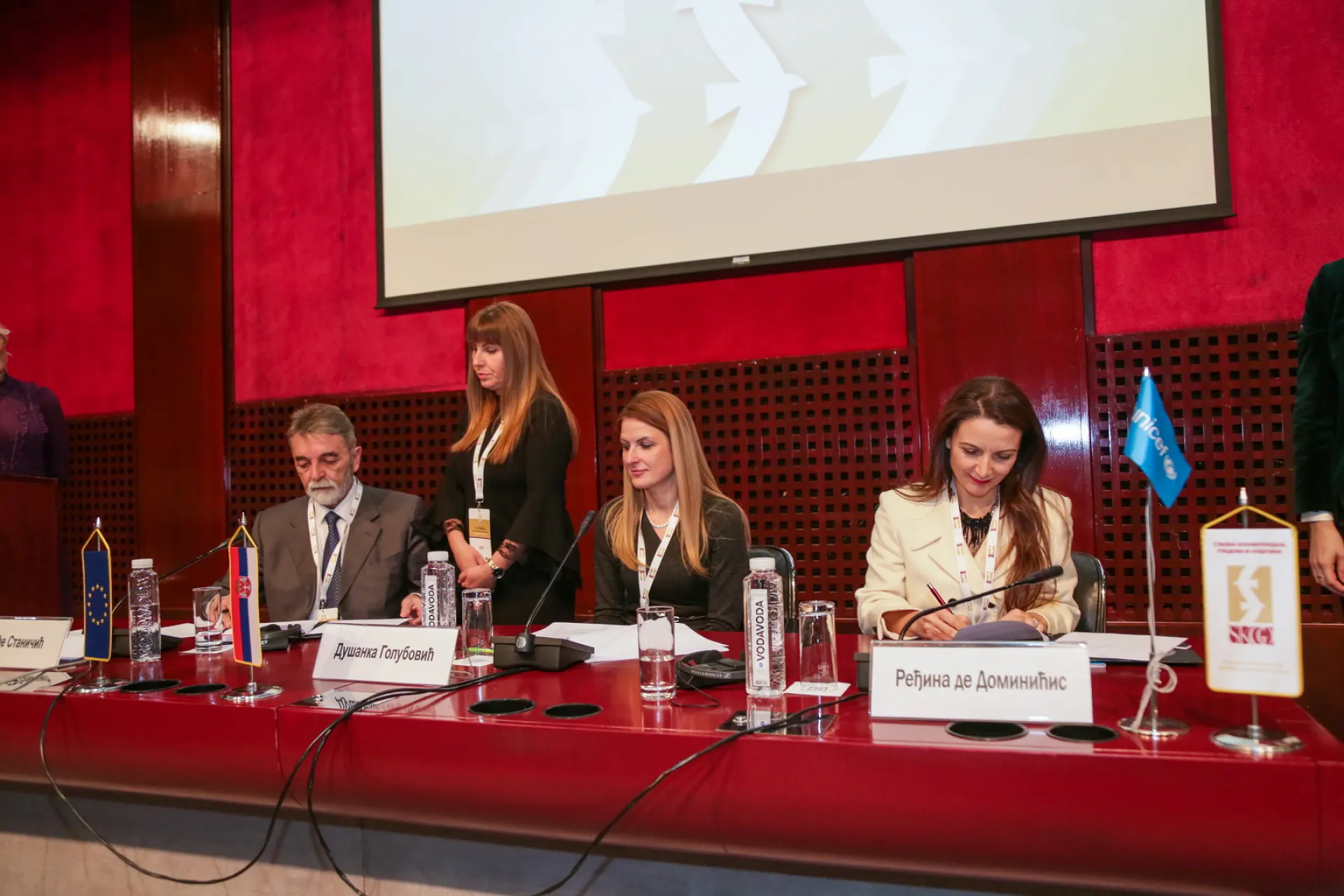
The fourth signed document marks the beginning of official cooperation between the SCTM and UNICEF.
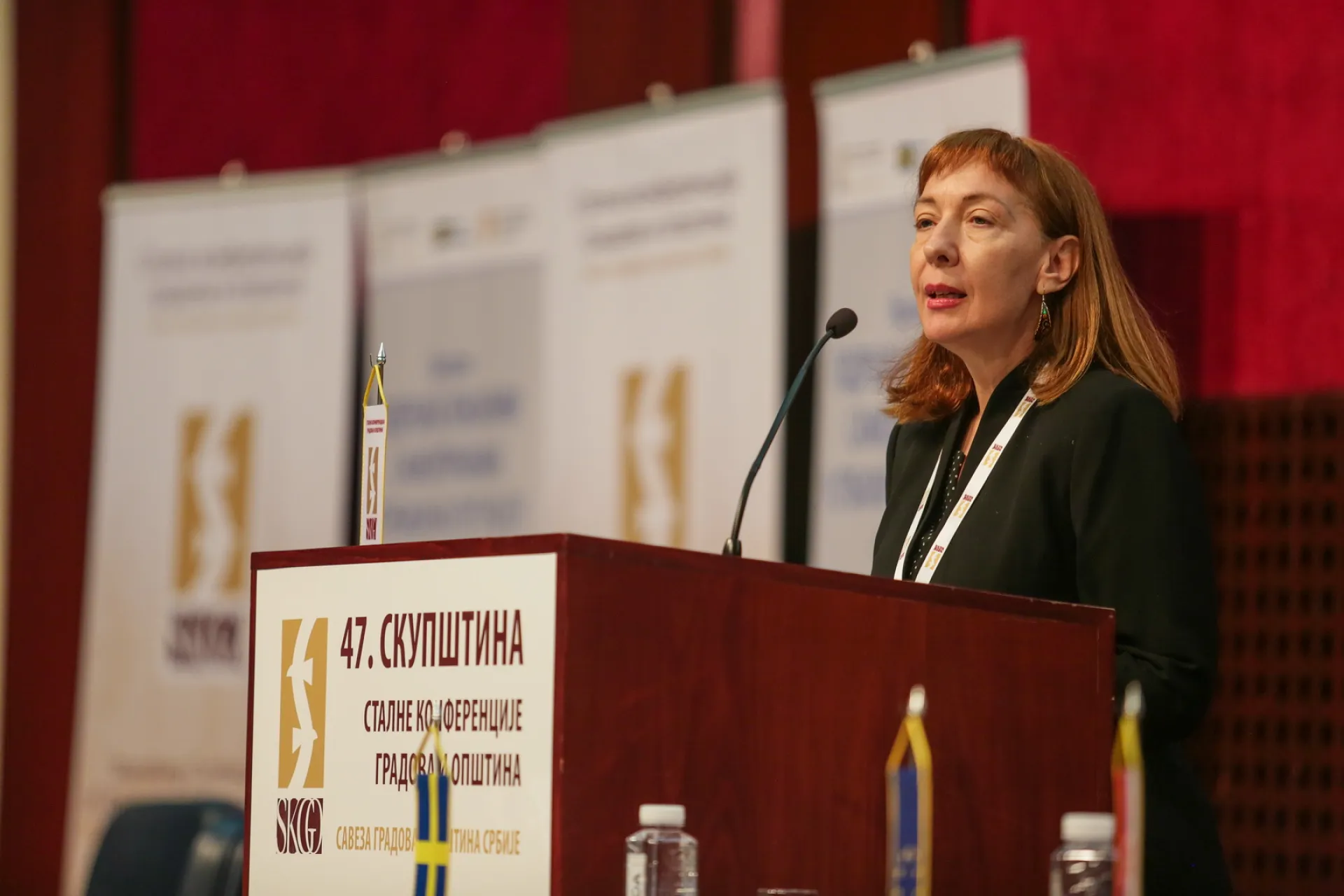
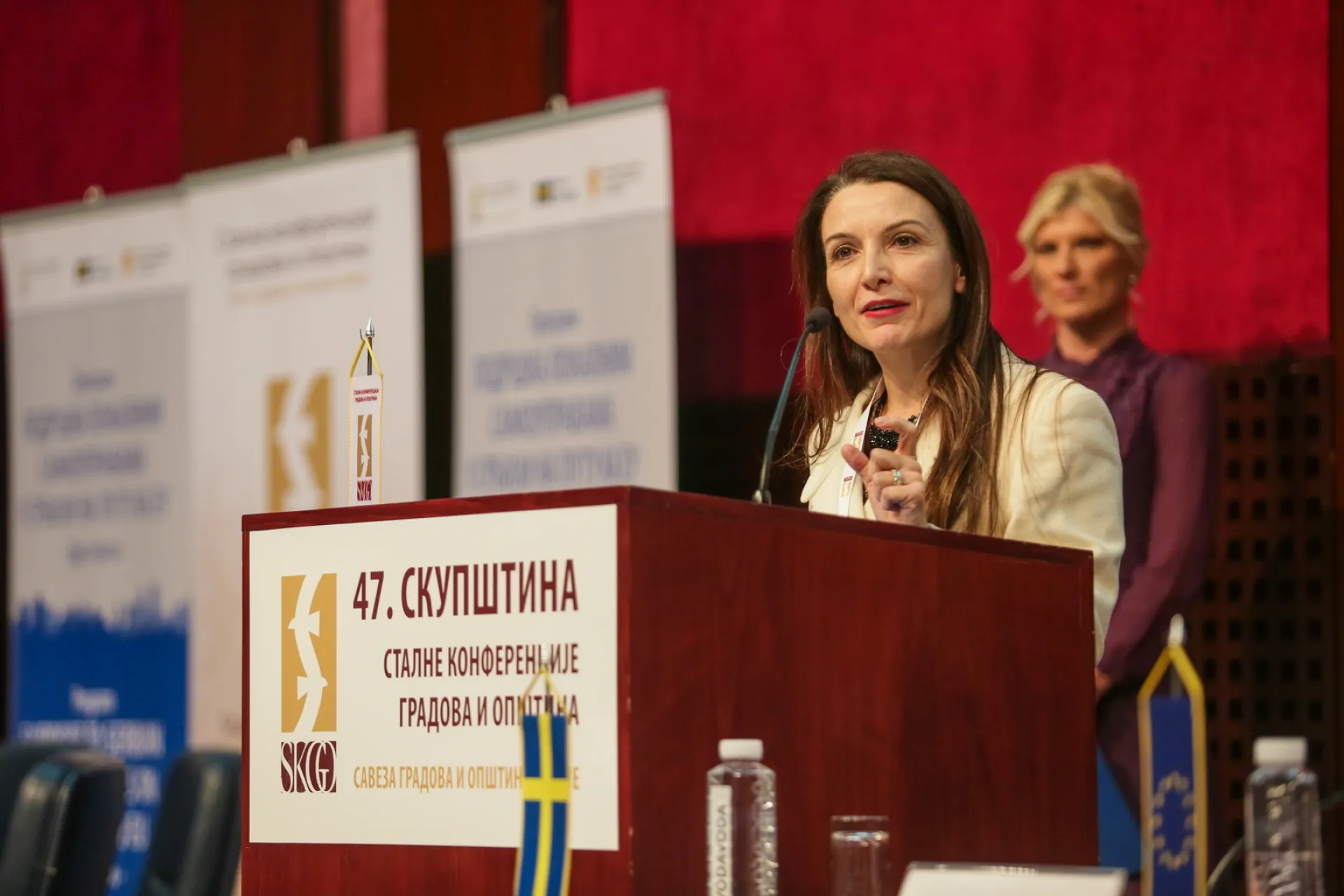
The essence of the Memorandum of Understanding between the SCTM and the UNICEF Office in Serbia is to support children and young people in early development, as explained by Regina de Dominicis, Director of the UNICEF Office in Serbia, with the observation that "it is never too late for children".
"The SCTM and UNICEF are signing this memorandum for the first time on the 30th anniversary of the Convention on the Rights of the Child", she said.
As she pointed out, local self-governments are the ones that detect, plan, budget and monitor policies that affect the development of children.
"Local actors play a key role in all this because they are practically the first point of contact in a child's life through health, education, playgrounds, learning ... As they grow and grow older, children see that governments further influence their lives through innovation, environmental protection and many other areas”, she noted.
She also underlined that local self-governments play a very important role in keeping children in the country.
"To put children's rights in focus, local self-government employees need to have knowledge. They can become a leader in the quality of life of our children, and we hope to help with that", said Regina de Dominicis.
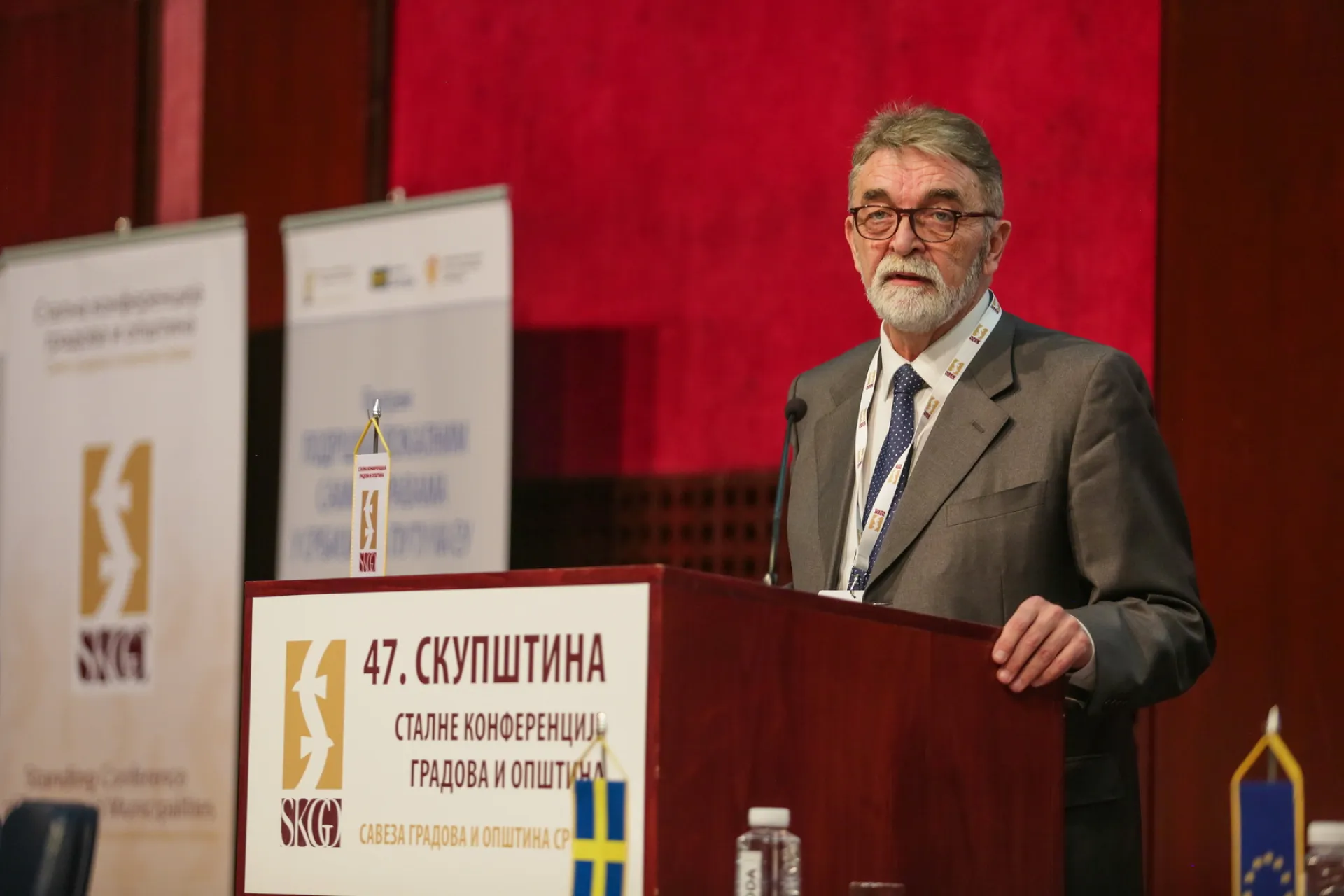
The signing of the memorandum was concluded by SCTM Secretary General Djordje Stanicic.
"The theme is the most beautiful possible, and working with UNICEF is a special pleasure and honor. Although the content of the document seems more clerical, it contains all the activities that we do and will do", he said.
The emphasis is, he says, on health, education and social protection at the local level, which in turn requires an educated administration in towns and municipalities.
"I believe that all these beautiful things will be put to work, first of all to the satisfaction of our children", Stanicic concluded.
The SCTM Assembly was organized with the support of the program "Support to Local self-governments in Serbia on the Road to the EU - Second Phase", funded by the Government of Sweden.