01/18/2019
Final conference of the project "Initiative for inclusion"
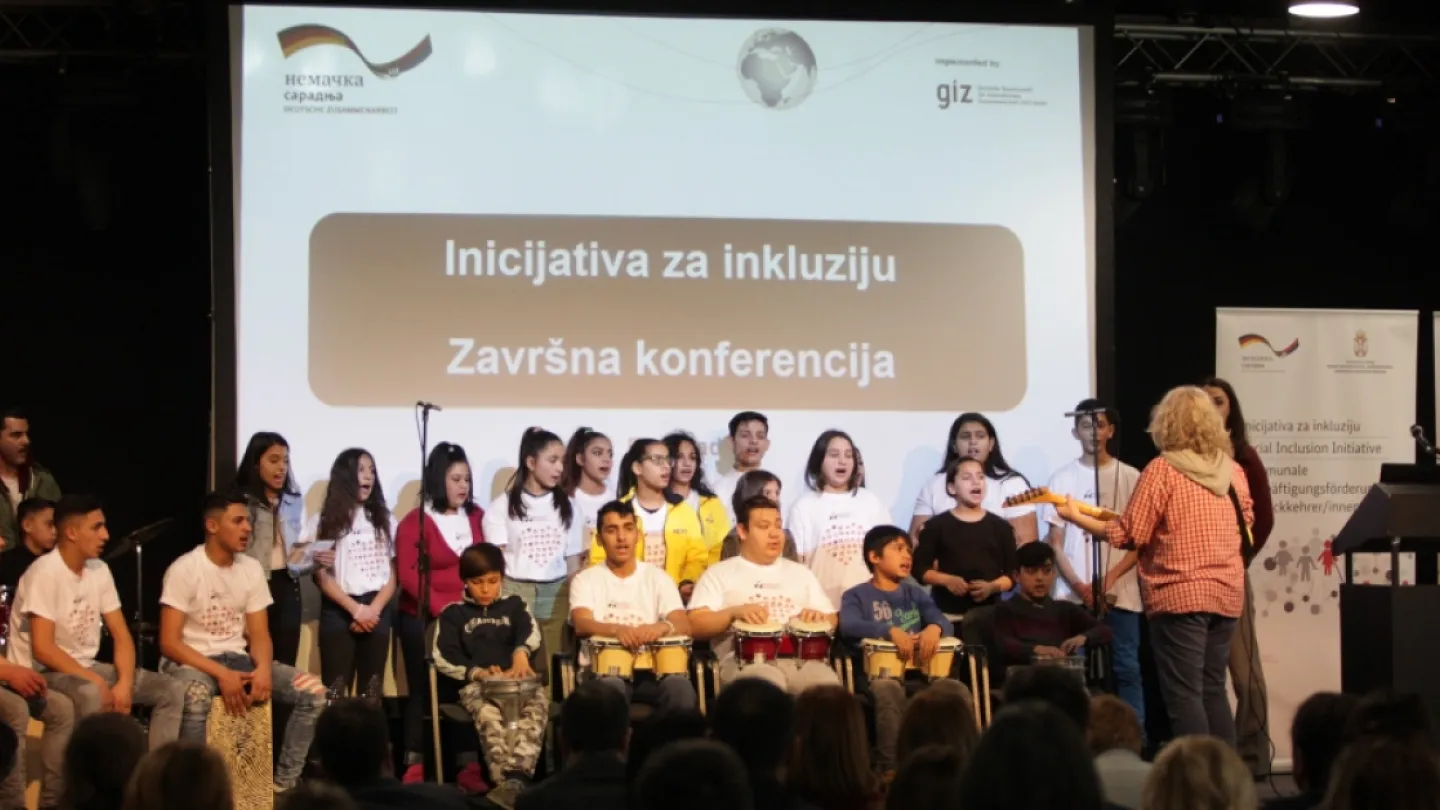
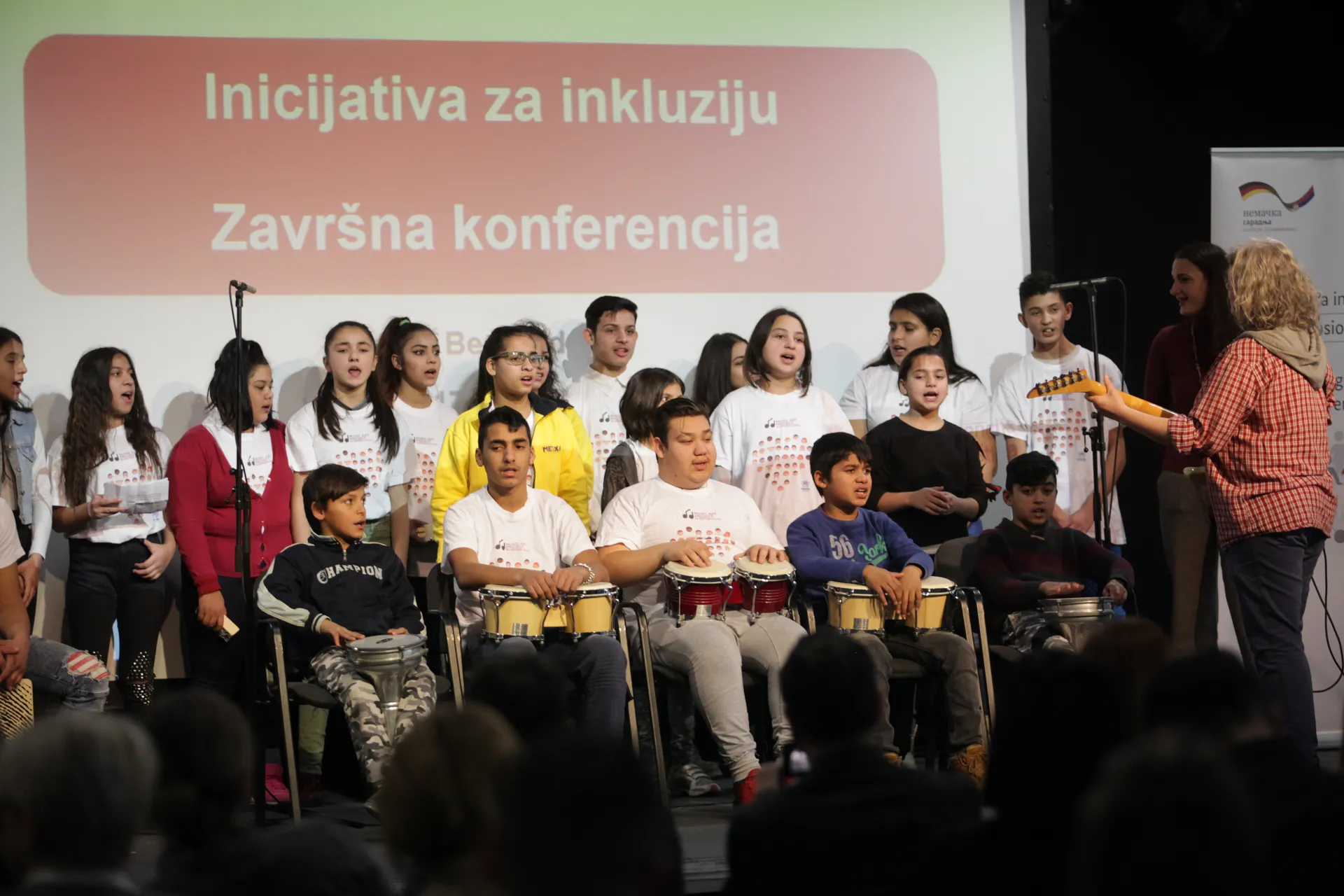
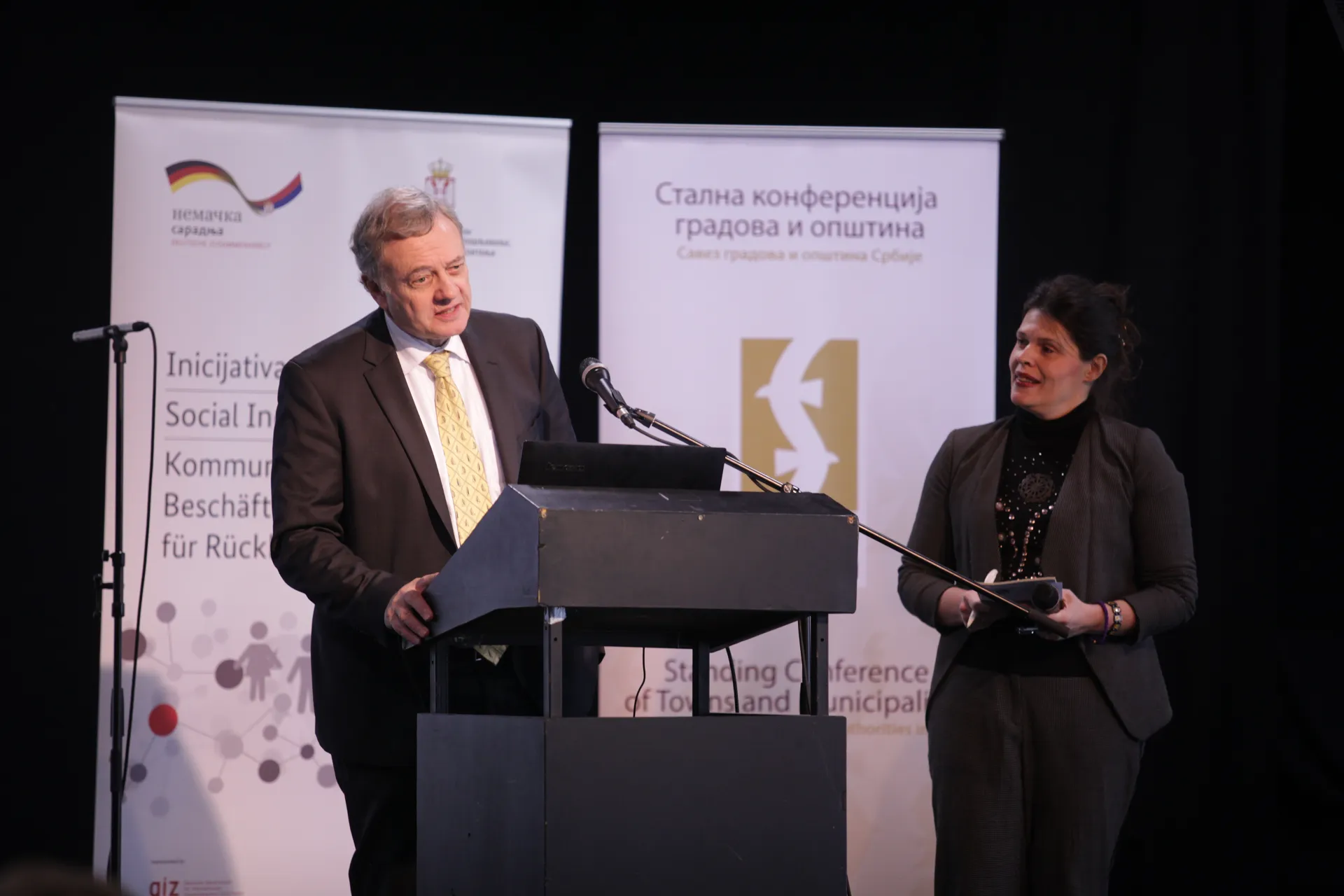
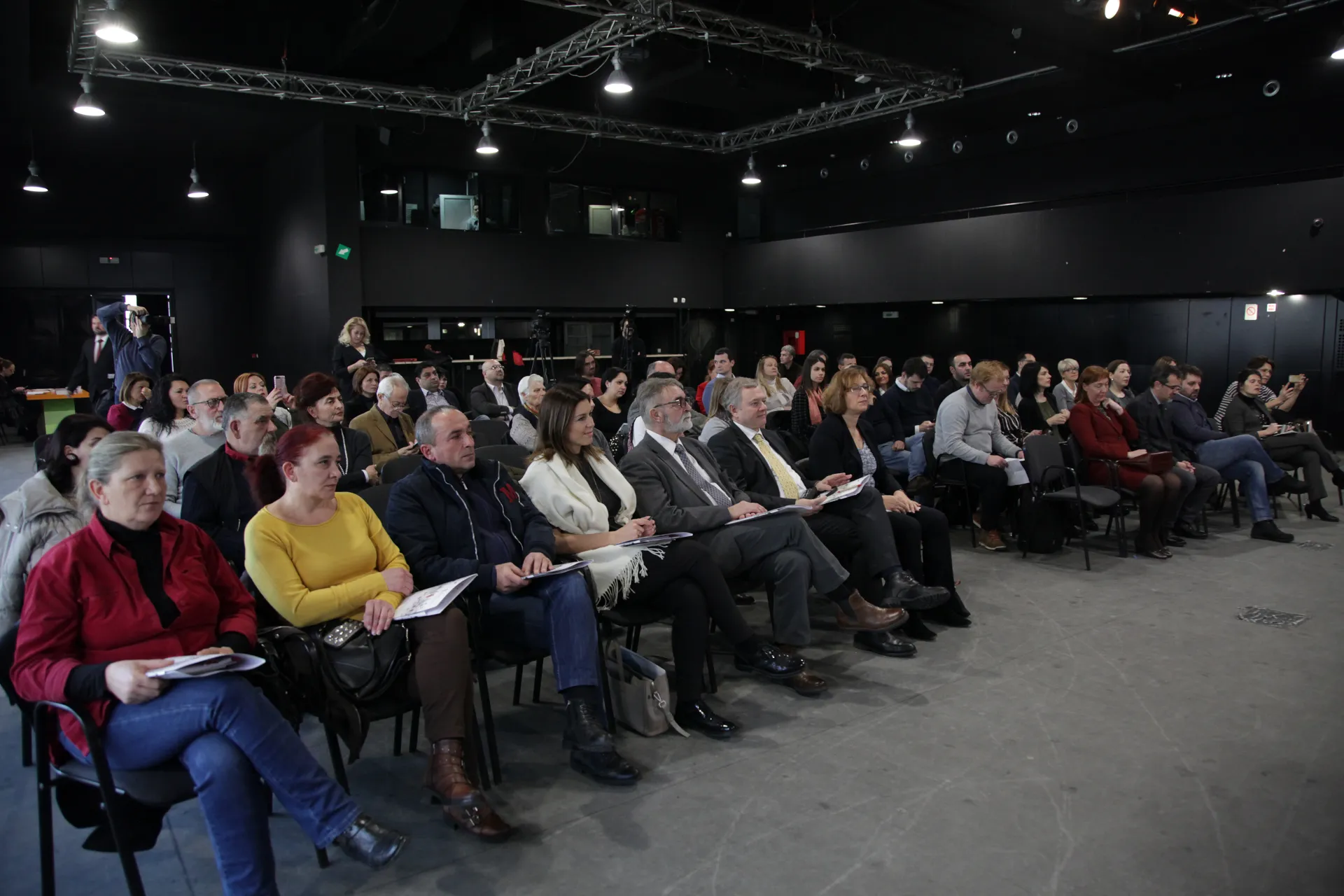
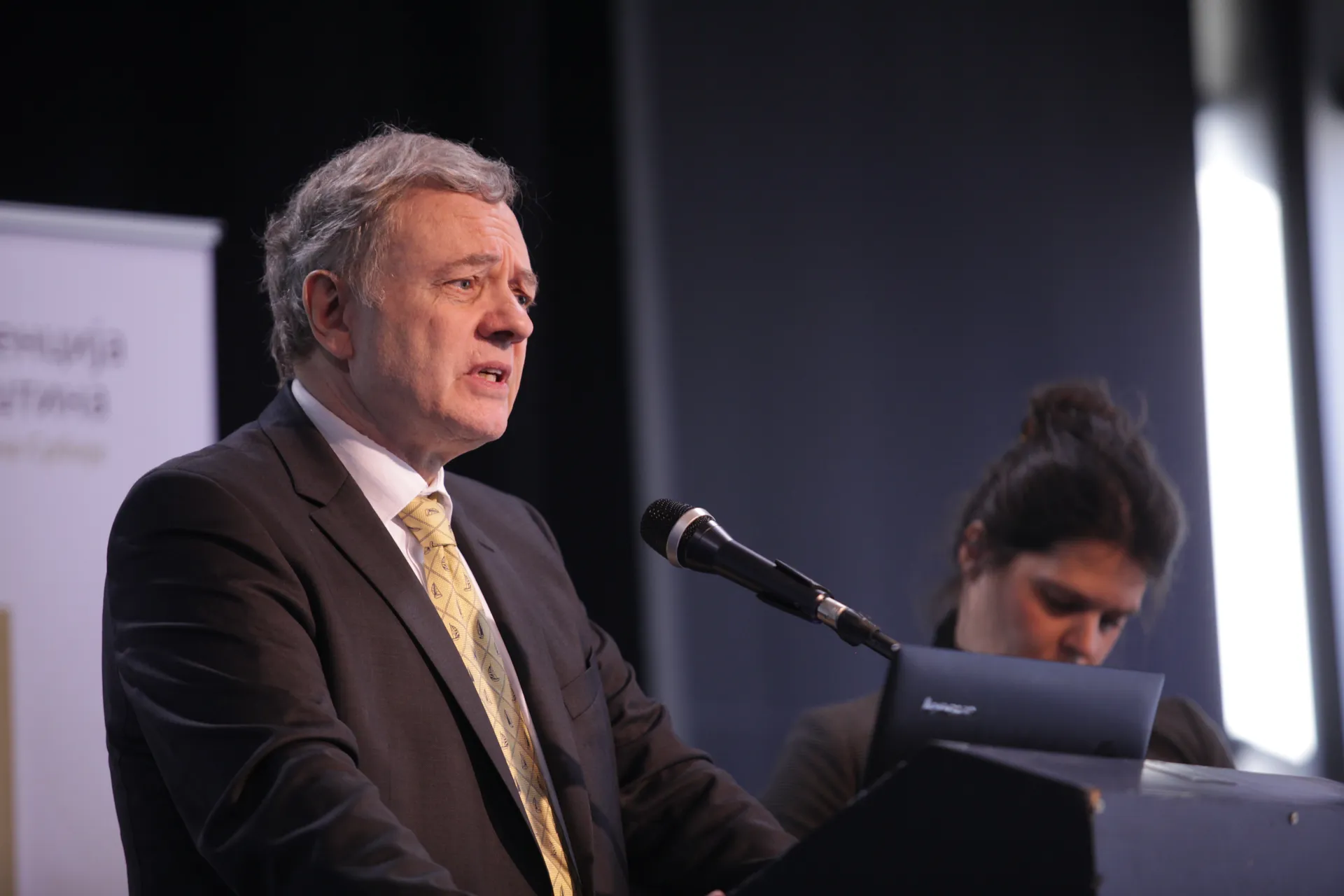
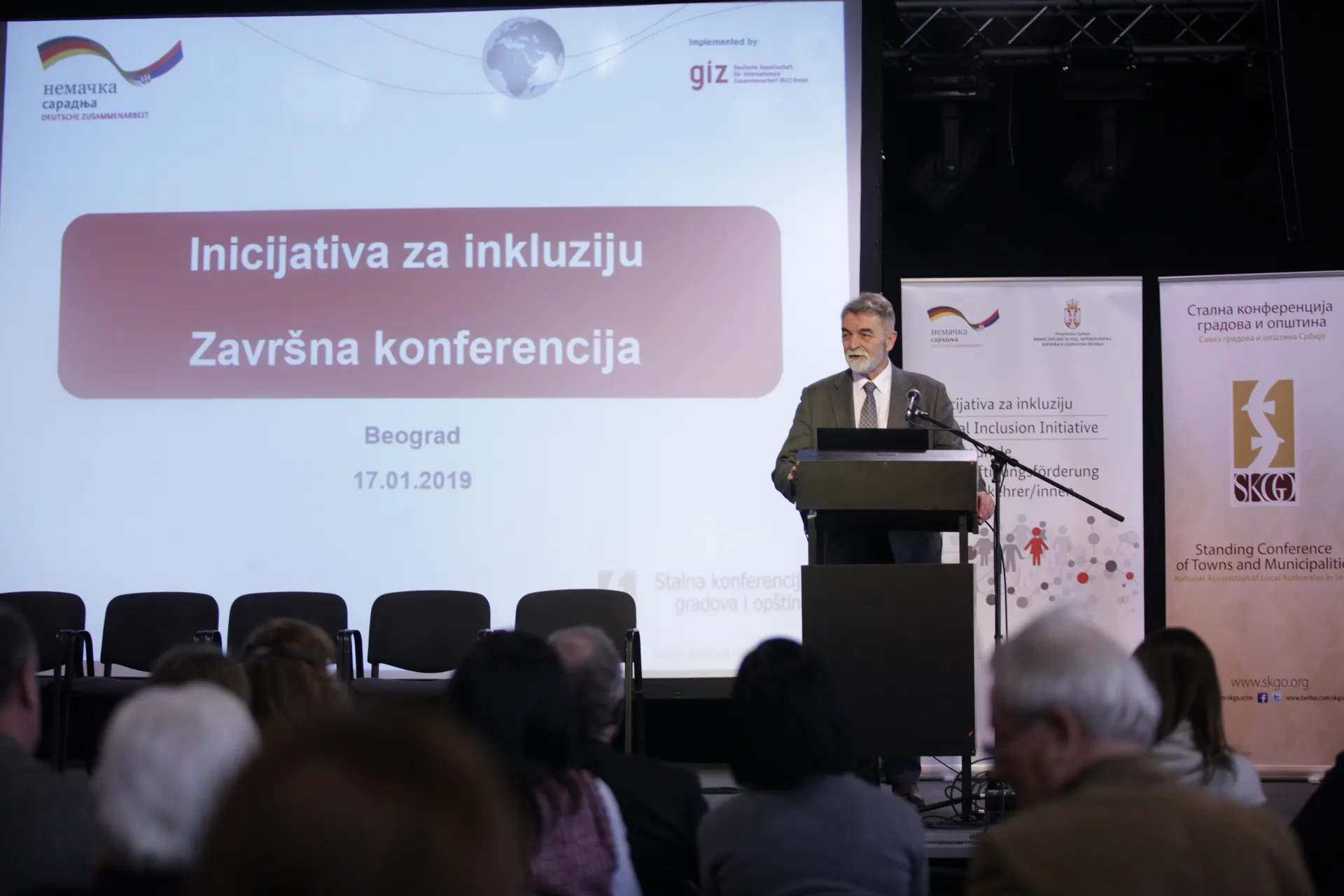
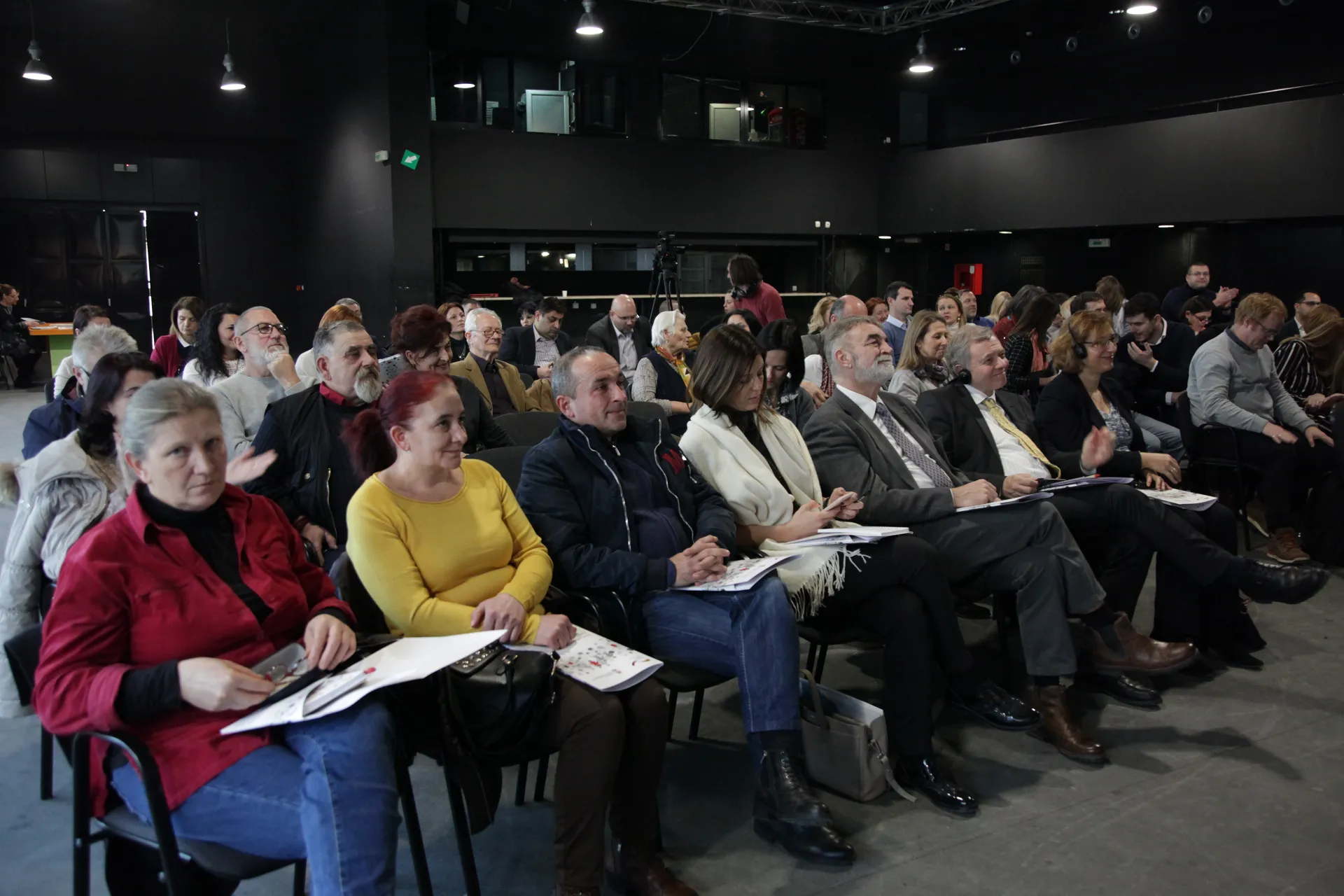
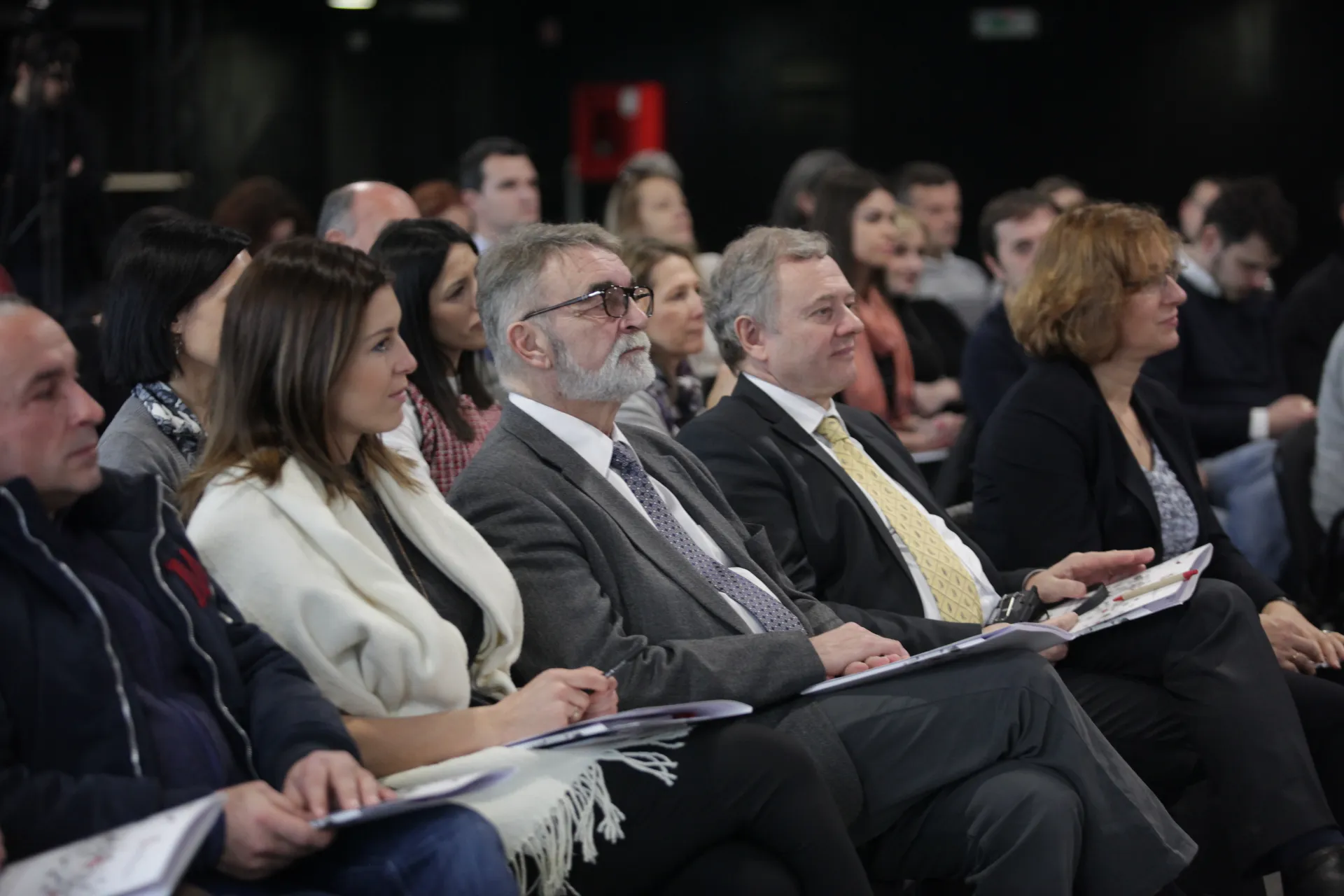
The final conference of the project "Initiative for Inclusion" was held on 17 January 2019 in Belgrade. The conference was organized by the Standing Conference of Towns and Municipalities (SCTM) and the German Organization for International Cooperation (GIZ). Gerhard Zipel, Director of the GIZ Office in Serbia, and Đorđe Staničić, Secretary General of the Standing Conference of Towns and Municipalities, spoke at the meeting.
The "Initiative for Inclusion" is a project of German-Serbian development cooperation implemented by GIZ in cooperation with SCTM and is being implemented in seven municipalities: Požarevac, Arilje, Sokobanja, Kučevo, Novi Pazar, Bečej and Mladenovac. Knjaževac, Bajina Bašta, Lučani, Nova Varoš, Požega, Čajetina, and Golubac are also involved in projects as project partners.
The purpose of the project is to create the basis for the implementation of innovative local ideas for the employment of returnees and hard-to-employ groups in the labour market and involves the exchange of experiences and examples of good practices that will arise from the implementation of specific projects in local self-governments in Serbia, which are the main beneficiaries of the project.
In the towns and municipalities in Serbia, 236 people from vulnerable social groups were employed through the project "Initiative for Inclusion", said the Secretary General of the Standing Conference of Towns and Municipalities (SCTM) Djordje Staničić.
"Together with the German Agency for International Cooperation (GIZ), we tried to create the basis for the realization of innovative local ideas for the employment of asylum seekers, potential asylum seekers, Roma people and members of other marginalized groups," he said at the meeting on the occasion of the completion of the project "Initiative for Inclusion".
According to Staničić, the goal of this project was that local self-governments in Serbia become proactive in the involvement of members of different social communities.
"The issue of social inclusion is part of the strategic documents of the SCTM, but also of the national action plans. Through this project we wanted to show that there is institutional and political readiness in Serbia to achieve higher strategic goals", Staničić said and pointed out that every local community in Serbia was supported to implement projects that strengthen sensitive social categories.
"This is a way to reduce people's needs to leave the country and create equal opportunities and conditions for the life of all citizens, regardless of which social group they belong to", Staničić said. He added that the project "Initiative for inclusion" showed that Serbia" is on the good path to the European Union".
Director of the GIZ Office in Serbia Gerhard Zipel said that the project was implemented in Požarevac, Arilje, Sokobanja, Kučevo, Novi Pazar, Bečej and Mladenovac, and the municipalities of Knjaževac, Bajina Bašta, Lučani, Nova Varoš, Požega, Čajetina and Golubac participated as project partners.
"The German Federal Government has allocated 1.8 million euros for this project with the goal of bringing all people to life of the town. These are people whose voices do not mean a lot, people whose skills do not contribute to the town to strengthen its position on the international map, their efforts do not mean a lot for town's budget, but they are still our citizens", Zipel said.
In his words, the project "Initiative for Inclusion" contributed to a better understanding of local economic development and better inclusion of marginalized groups in municipalities and towns in Serbia.
"We helped people from vulnerable social groups get decent work, employment and decent life, and for this the most interesting was the good interaction of citizens and local self-governments", Zipel said, adding that he expects the project "Initiative for Inclusion" to continue with more users, more decision-makers and more towns will be involved in the future.
Vesna Vidojević from the GIZ said that the project "Initiative for Inclusion" has improved the access to the market for hard-to-employ people in Serbia.
"In addition, significant fieldwork has been carried out together with local communities so that local self-governments can effectively implement what is written in the strategic documents", said Vidojević.
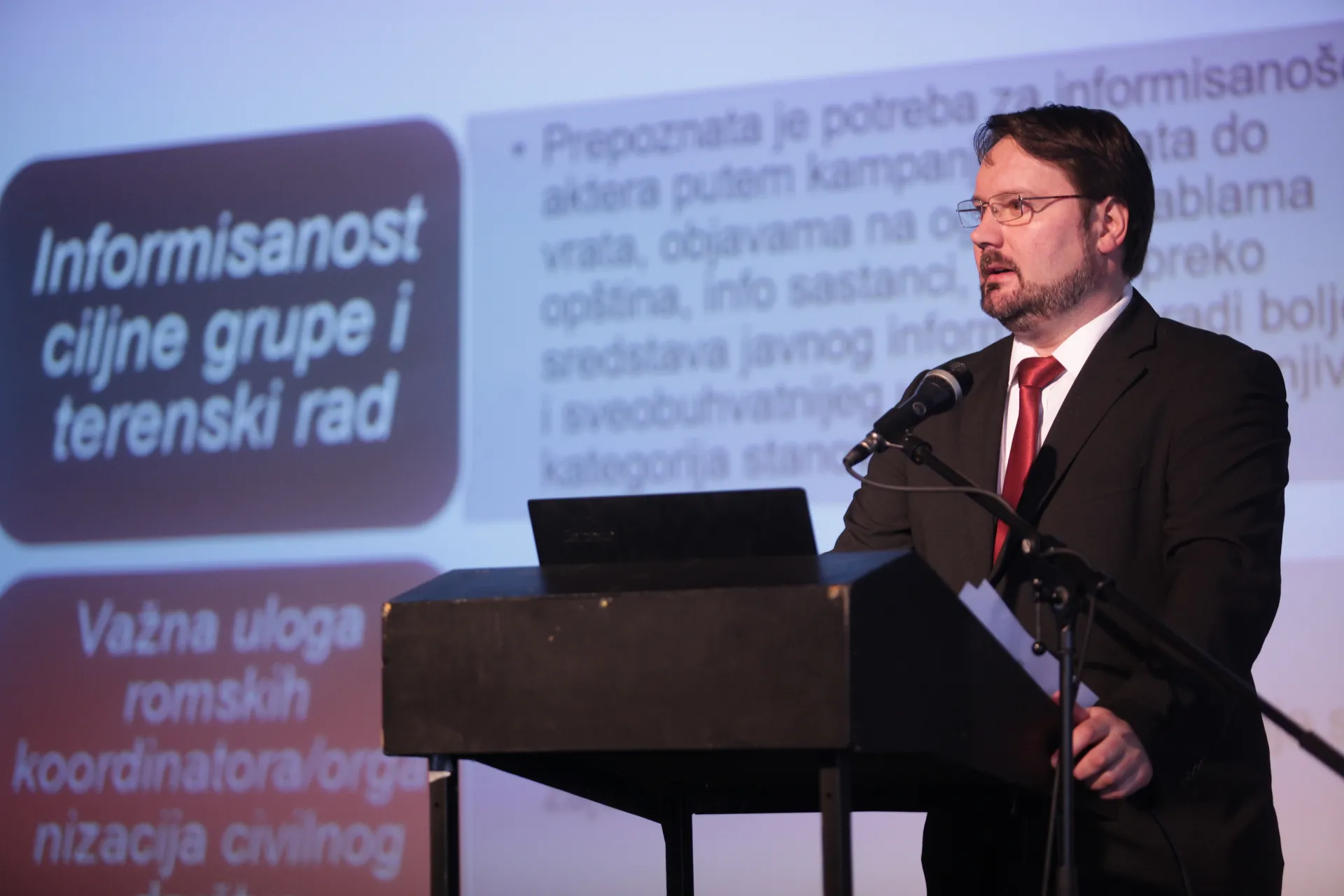
Aleksandar Popović from the SCTM said that it was difficult to inform all members of sensitive social groups in Serbia because of stereotypes and conservativism, especially Roma communities.
"For this reason, the role of Roma coordinators and civil society organisations was very important to us, with the help of which we adjusted the approach to the target groups, taking into account that the aspect of gender equality is not neglected", Popović said.