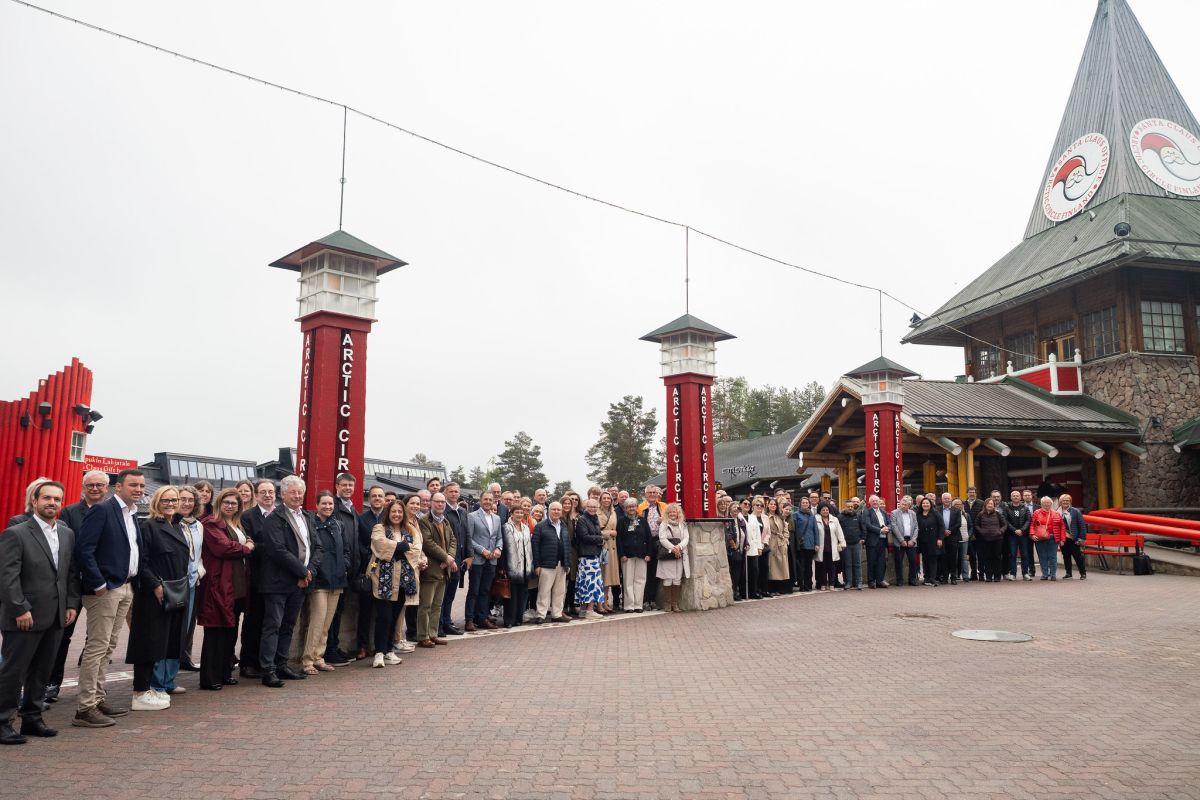
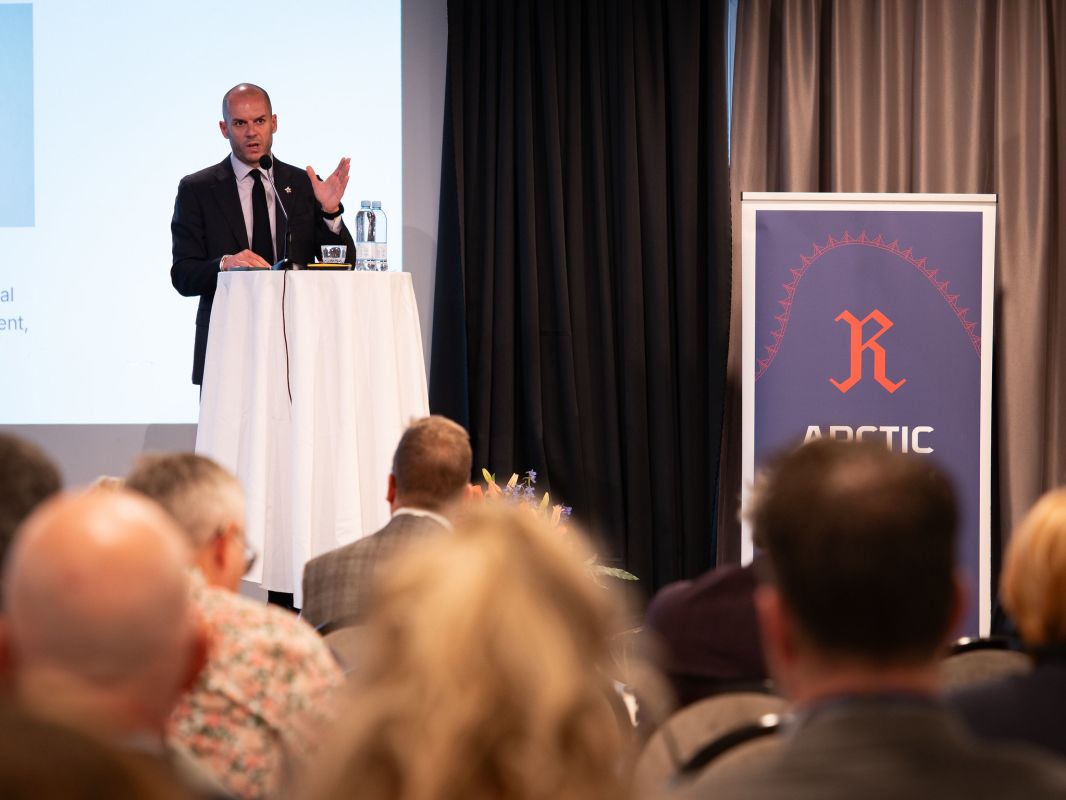
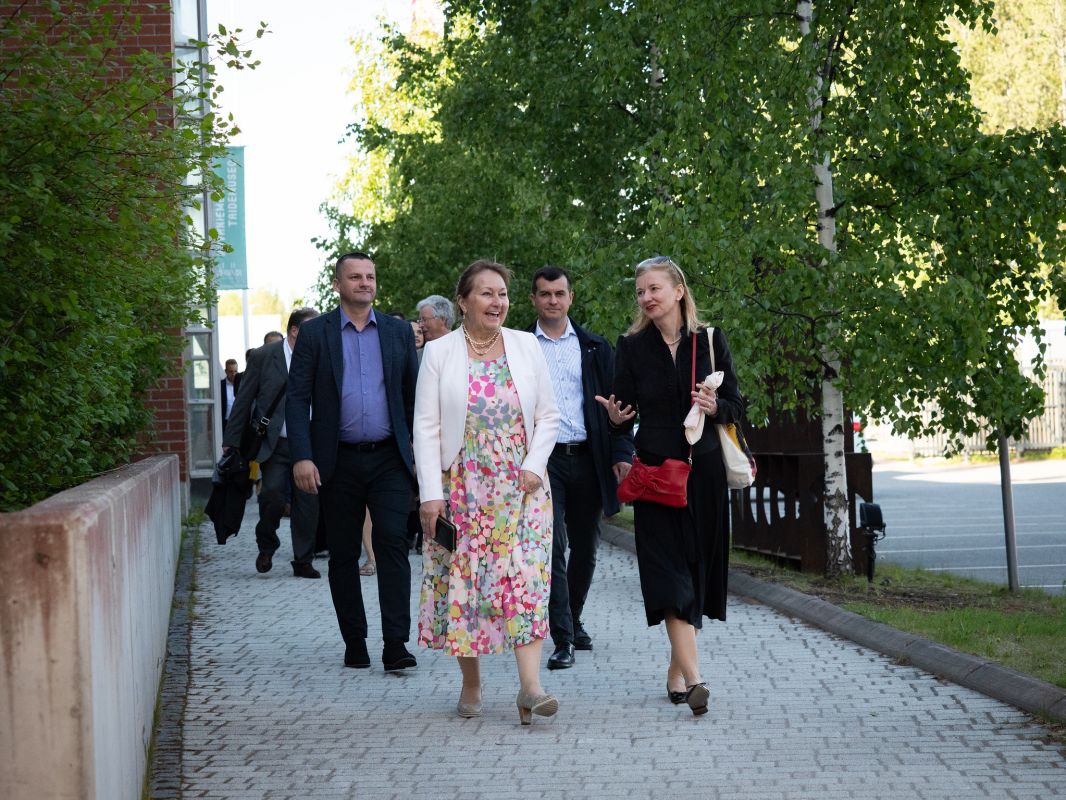
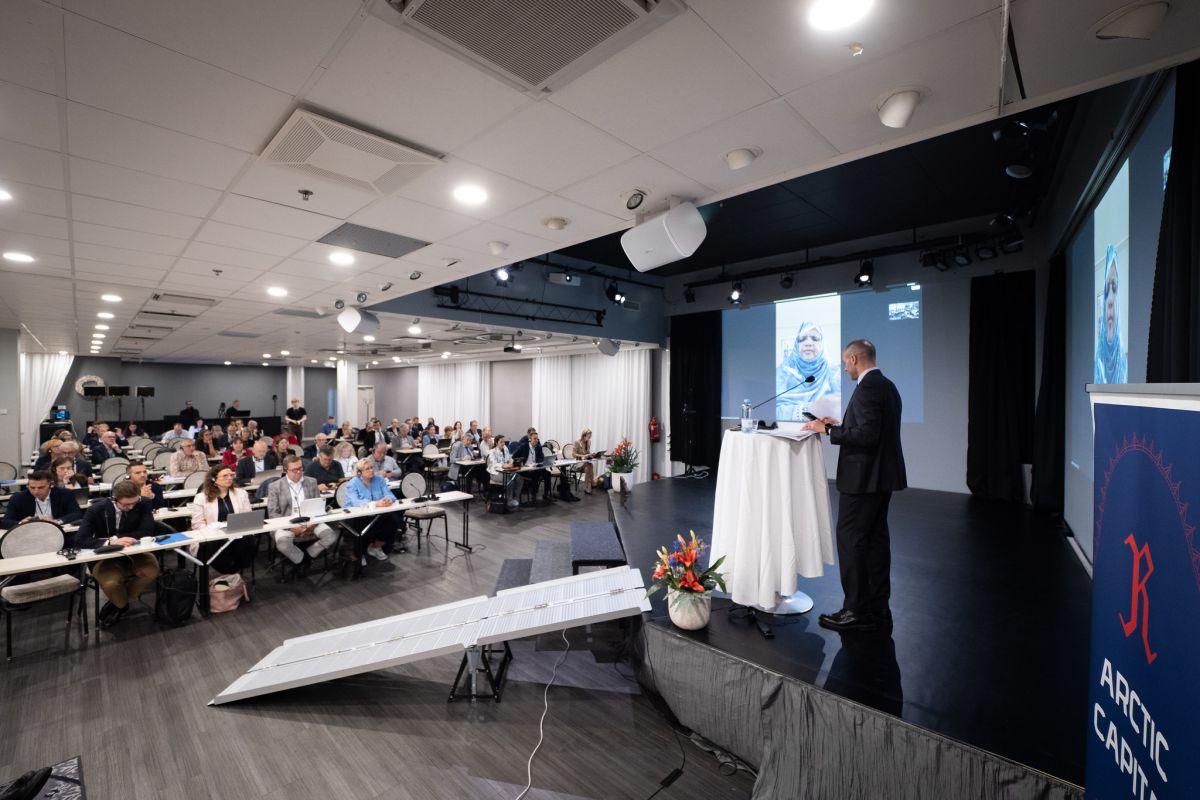
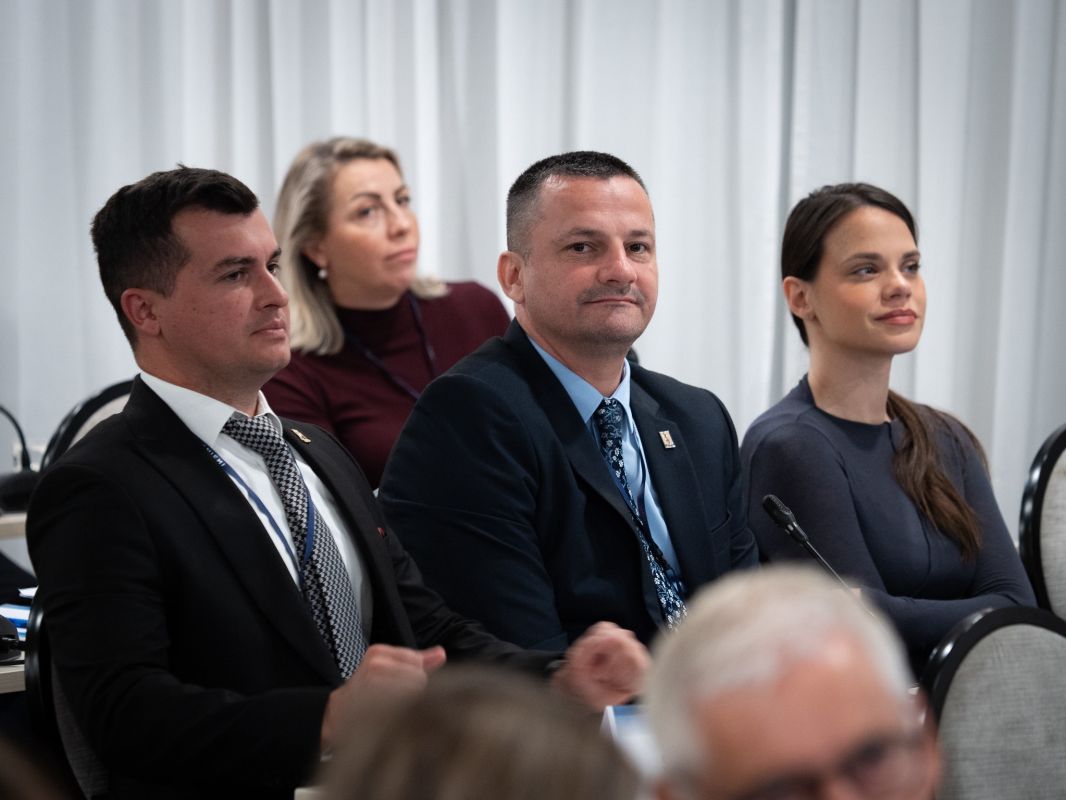
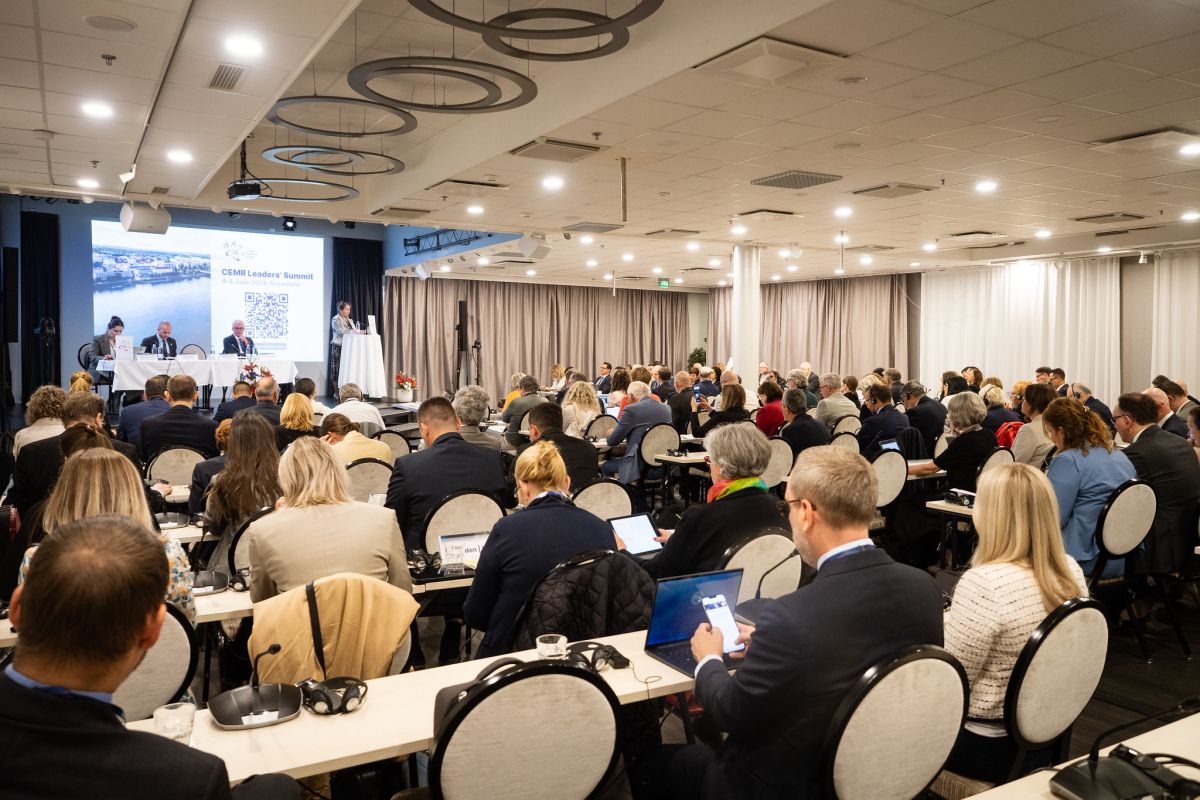
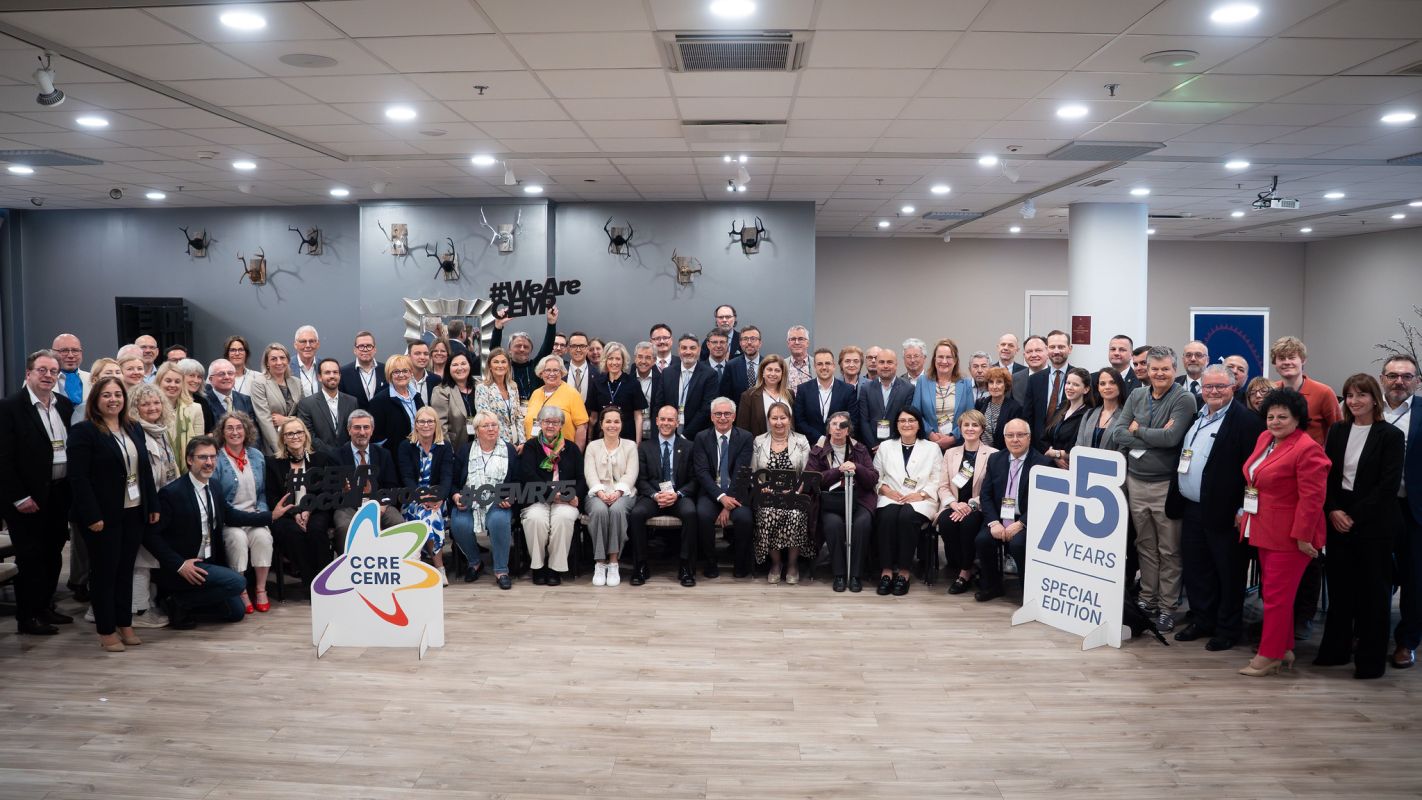
Representatives of the Standing Conference of Towns and Municipalities (SCTM) participated in the CEMR Leaders Summit, held on 4–5 June 2026 in Rovaniemi, Finland. The Summit brought together more than 150 representatives of local and regional governments from across Europe with the aim of defining common political priorities and strengthening the role of the local level of government in shaping European policies.
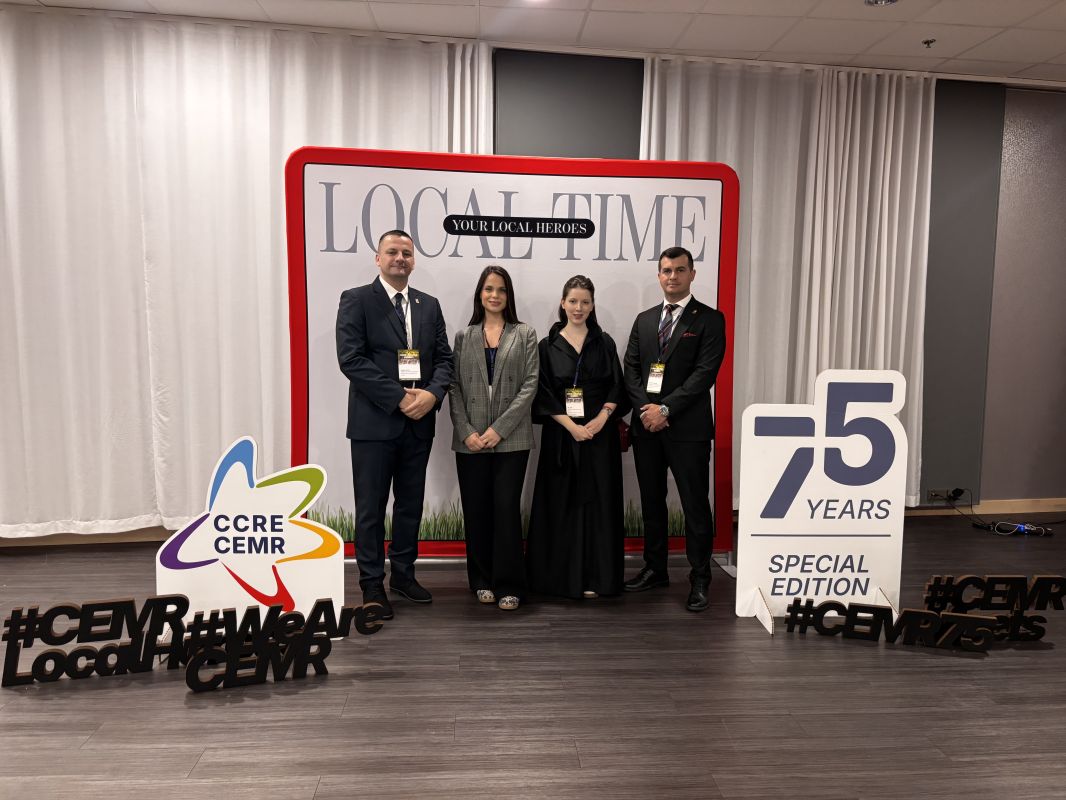
Representing SCTM at this important gathering of European local and regional leaders were members of the CEMR Political Committee, Marko Veljković, Deputy President of the Municipality of Lapovo, and Nemanja Radovanović, Deputy President of the Municipality of Despotovac. Ana Ilić, Chief of Staff to the Secretary General, and Smiljana Aleksić, Adviser in the Office of the Secretary General of SCTM, also took part in the Summit. As a long-standing member of CEMR, SCTM's participation in the event further strengthened the foundations of cooperation with European partners.
This year's Summit focused on the role of local and regional governments in addressing contemporary European challenges, including territorial resilience, climate change, the competitiveness of European regions, sustainable development, and the future budgetary framework of the European Union.
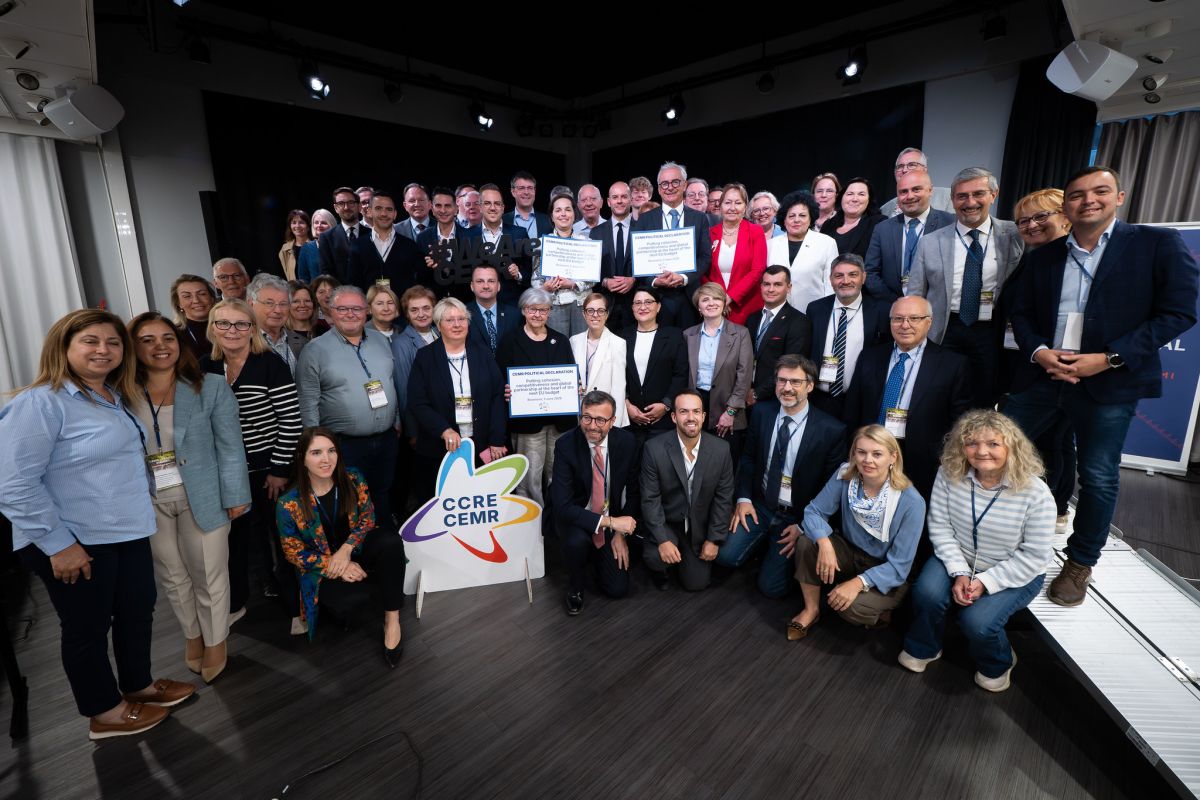
One of the most significant outcomes of the meeting was the adoption of the Political Declaration on the future Multiannual Financial Framework of the European Union (MFF 2028–2034), through which local and regional governments across Europe call on European institutions to place cohesion, competitiveness, and global partnerships at the heart of the next EU budget.
Particular emphasis was placed on preserving a strong Cohesion Policy as one of the European Union’s key instruments for supporting balanced territorial development, improving local infrastructure and public services, strengthening community resilience, and reducing regional disparities. CEMR highlighted the importance of maintaining clear and predictable budget allocations for Cohesion Policy, while opposing excessive centralisation of funding and insisting that local and regional governments be actively involved in the planning, implementation, monitoring, and evaluation of investments that directly affect the development of their communities.
The Declaration also stressed the need to ensure that European funds remain accessible to all territories—both urban and rural—while taking into account diverse local needs and development priorities. Furthermore, it underscored the importance of multilevel governance and partnership between the European, national, and local levels of government as a prerequisite for the more effective implementation of European policies and investments on the ground. Special attention was also given to strengthening the administrative capacities of local governments to enable more efficient use of development funds and the successful implementation of long-term infrastructure and development projects.
The meeting also addressed CEMR’s key thematic activities for 2026, including the implementation of the EU Pact on Migration and Asylum at the local level, the future framework for sustainable development beyond 2030, climate resilience of local communities, and activities under the LORAI (Local Observatory on Reform Agendas Implementation) programme, which supports the stronger involvement of local governments in the Western Balkans in the implementation of reform agendas and the European integration process.
SCTM is expected to participate in the implementation of this programme in its capacity as the national association of local authorities in the Republic of Serbia, together with partner associations from across the Western Balkans, with the aim of strengthening the role of local governments in implementing reform priorities within the EU accession process.
The Summit also elected a new President of CEMR, Christoph Schnaudigel, President of the Karlsruhe District in Germany and a long-standing representative of the German local government association. In his address, he emphasised the importance of stronger involvement of local and regional governments in European decision-making processes, particularly in the areas of climate resilience, territorial cohesion, and democratic governance.
This year, CEMR celebrates its 75th anniversary. To mark the occasion, a series of interactive activities were organised, providing Summit participants with an opportunity to share their views on CEMR’s work, offer suggestions for its future development, and exchange experiences regarding the various CEMR programmes and projects in which they have participated.
Participation in the CEMR Leaders Summit also provided an important opportunity for SCTM representatives to network with representatives of local and regional governments, national associations, and European institutions, as well as to exchange experiences on common challenges and innovative practices in local development, governance, and public service delivery. Events such as this play an important role in strengthening international cooperation and positioning local governments from the Republic of Serbia within European processes and cooperation networks.